
Terms of Use
The terms for using ShriRamJanmabhumi.com: acceptable use, our content and your contributions, listings and advertising, liability and governing law.

Using this website
By using ShriRamJanmabhumi.com you agree to these terms. If you do not agree, please do not use the site. Read them together with our Disclaimer and Privacy Policy.
Acceptable use
You agree not to:
- submit false, misleading, abusive, hateful or unlawful content through any form;
- submit a business listing for a business you do not own or represent, or one that does not exist;
- use the site to sell darshan, queue priority or temple donations, or to impersonate a temple, trust or government body;
- attempt to break, overload, scrape in bulk or gain unauthorised access to the site;
- use the content to mislead or defraud pilgrims.
We may refuse, edit or remove any submission, and may block access, at our discretion.
Our content
The text and design of this website are our own work and are protected by copyright. You are welcome to read, share links to and quote short passages from our pages with credit and a link to the source. Please do not republish whole pages, or use the content commercially, without written permission. The Ramayana, the Ramcharitmanas and other ancient works belong to everyone; our retellings and explanations of them are ours.
Your contributions
When you send us a listing, photograph, correction or other material for publication, you confirm that you have the right to share it, and you allow us to publish, edit and display it on this website and in its promotion. You remain the owner of your material and can ask us to remove it.
Directory listings
Basic listings are free and are published at our discretion after review. We may remove a listing that is inaccurate, has drawn credible complaints, or does not suit a devotional audience. Listed businesses are independent of us; see the Disclaimer.
Advertising and featured listings
Paid placements are labelled "Sponsored" or "Featured". They run for the period agreed and do not renew without the advertiser's consent. We do not accept advertising for alcohol, tobacco, gambling, the sale of darshan or donations, or products and claims likely to mislead. Reports of views and clicks are provided as counted by our system.
Guided tour requests
Submitting a request does not create a booking. A booking exists only when you and the guide or our team have agreed the service and the charges.
Links to other websites
We link to official and other third-party websites for your convenience. We do not control them and are not responsible for their content.
Liability
The site is provided as it is, without warranty. To the extent the law allows, we are not liable for any loss arising from use of the site, from reliance on its information, or from dealings with listed businesses, guides or advertisers.
Governing law
These terms are governed by the laws of India, and the courts of Uttar Pradesh have jurisdiction over any dispute.
Contact
Questions about these terms can be sent through the contact page.
Last updated:
Read next

Bala Kanda: Birth and Boyhood of Shri Ram
The first book of the Ramayana: Dasharatha's yajna, the birth of the four princes in Ayodhya, the journey with Vishwamitra and the wedding of Ram and Sita.

Ayodhya Kanda: The Promise and the Exile
The second book of the Ramayana: the planned coronation, Kaikeyi's two boons, Ram's exile with Sita and Lakshmana, and Bharata's refusal of the throne.

Aranya Kanda: The Forest Years
The third book of the Ramayana: life in Dandaka and Panchavati, Shurpanakha, the golden deer, the abduction of Sita by Ravana, Jatayu and Shabari.

The Power of a Promise: Keeping Your Word
Why Shri Ram gave up a kingdom to keep his father's promise, the reasoning behind the Raghukul rule, and how to practise it in daily life.
Brotherhood and Family: Bharata and Lakshmana
Four brothers and a throne none of them would take from another: what the Ramayana teaches about siblings, inheritance and holding a family together.

True Friendship: Guha, Sugriva and Vibhishana
Shri Ram made friends of a tribal chief, an exiled vanara and his enemy's brother. What the Ramayana says a friend is, and what a friend must do.
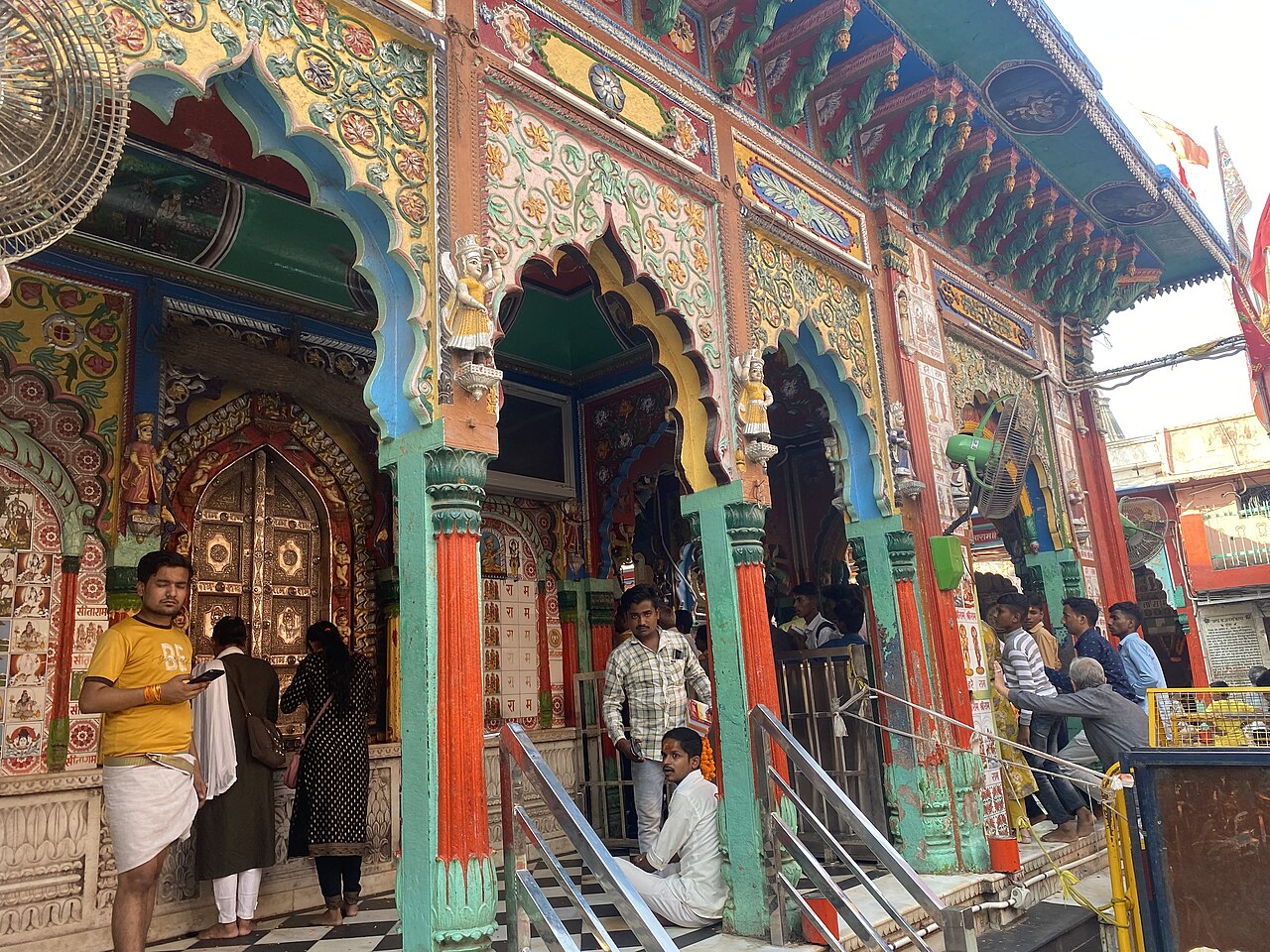
Hanuman Garhi: The Guardian of Ayodhya
Hanuman Garhi, the hilltop fort-temple of Hanuman in Ayodhya: why pilgrims visit it before Ram Mandir, its 76 steps, its story and tips for darshan.
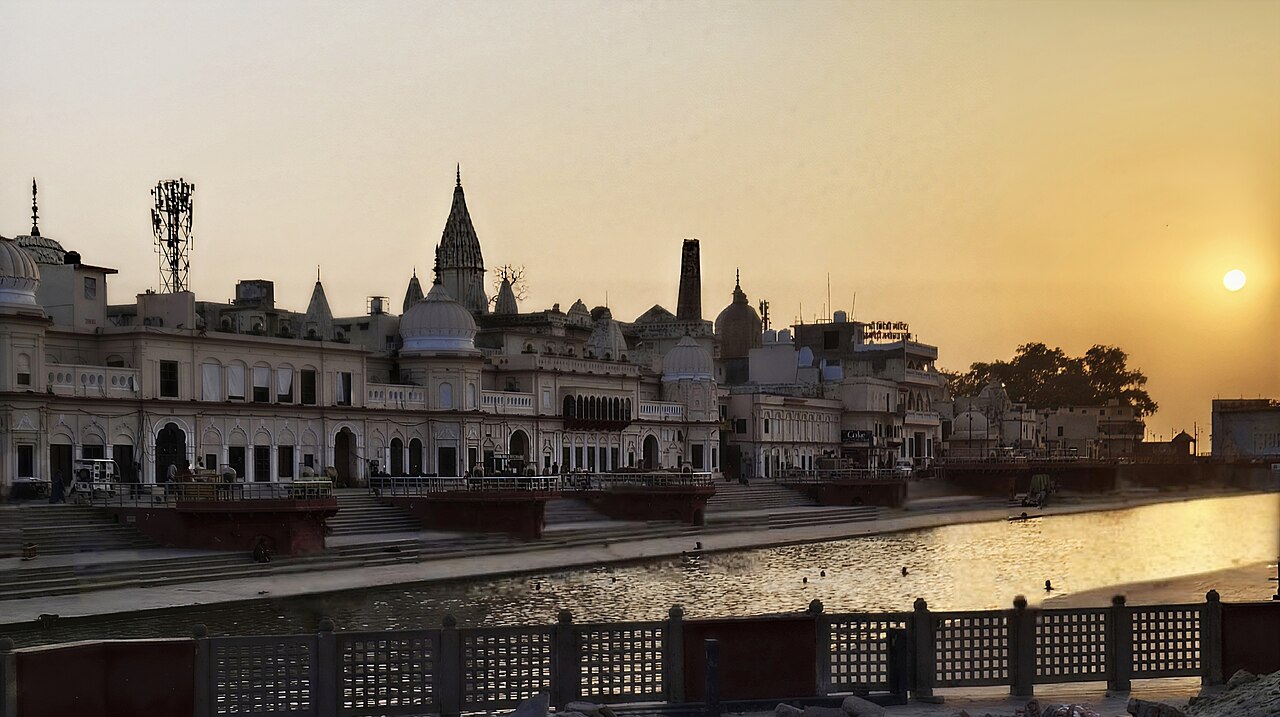
Ram ki Paidi: The Ghats of a Million Lamps
Ram ki Paidi is the long line of bathing ghats beside the Saryu in Ayodhya, home of the Deepotsav lamp festival. What to see and the best time to go.

Sita ki Rasoi: The Kitchen of Sita
Sita ki Rasoi near the Janmabhoomi in Ayodhya is revered as the kitchen where the new bride Sita first cooked. Its meaning and the Annapurna tradition.