
Ram ki Paidi: The Ghats of a Million Lamps
Ram ki Paidi is the long line of bathing ghats beside the Saryu in Ayodhya, home of the Deepotsav lamp festival. What to see and the best time to go.
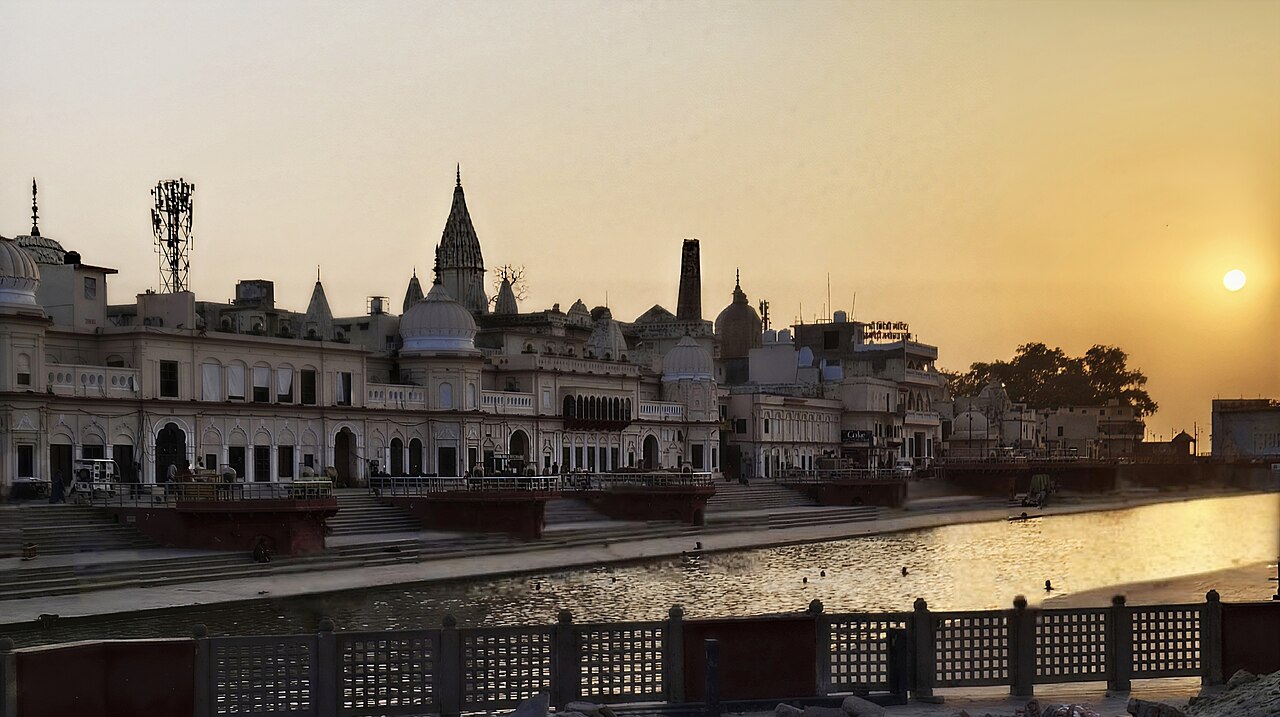
The place
Paidi means steps. Ram ki Paidi is a long sequence of stepped ghats built along a channel of water drawn from the Saryu, close to Naya Ghat. The steps, lined with temples and pavilions, run on both sides of the water, and at night the whole length is lit.
The story
The Saryu is Ayodhya's sacred river, and bathing in it is held to cleanse a pilgrim before he visits the temples. A popular tale tells that when Lakshmana wished to go on pilgrimage to all the holy places, Ram established this bathing place and said that every sacred river comes here to bathe before sunrise, so that a dip at these steps carries the merit of them all. Whatever one makes of the tale, its meaning is plain: you do not need to travel everywhere to find what is holy.
Deepotsav
Ram ki Paidi is the stage for Deepotsav, held on the evening before Diwali to relive the night Ayodhya lit lamps for Ram's return, told in the Yuddha Kanda. Volunteers lay out earthen lamps in patterns along every step; in recent years more than two million have been lit together, and the display has repeatedly been certified as a world record. If you can visit Ayodhya only once and can cope with crowds, this is the night.
What to do
- Come at dusk on any day. The lights come on, the temples ring their bells, and there is usually a laser and sound show on the story of Ram in the evening.
- Walk the full length; Nageshwarnath Temple stands at the ghats.
- Bathe only where steps and railings are provided. The channel is calmer than the main river, but children should be held by the hand.
- Keep the ghats clean: do not leave lamps, flowers or plastic in the water.
Combine this with the evening aarti at Saryu Ghat, a few minutes' walk away. Planning help: Ayodhya in one day.
Timings, entry rules, routes and prices change, especially on festival days. Please confirm with the temple, the district administration or the provider before you travel.
Last updated:
Read next

Best Time to Visit Ayodhya: Month by Month
When to visit Ayodhya: weather in each season, festival dates that bring huge crowds, fog and heat warnings, and the calmest weeks for darshan.

Temple Etiquette in Ayodhya for First-Time Visitors
What to wear, where to leave your shoes, what darshan, prasad and aarti mean, when not to take photographs, and how to behave in Ayodhya's temples.
Ayodhya, Varanasi and Prayagraj: A Five-Day Circuit
A practical five-day plan linking Ayodhya with Varanasi and Prayagraj, with road distances, what to see in each city and optional add-ons such as Lucknow.
Sawan Jhula Mela: The Swing Festival
The Sawan Jhula Mela of Ayodhya: in the monsoon month of Shravan, Ram and Sita are placed on decorated swings in temples across the city for a fortnight.
Kartik Parikrama: Walking Around Ayodhya
The Chaudah Kosi and Panch Kosi Parikrama and Kartik Purnima bath in Ayodhya: routes, dates, meaning and how to prepare for the long barefoot walk.

Vivah Panchami: Wedding of Ram and Sita
Vivah Panchami marks the wedding of Shri Ram and Sita on Margashirsha Shukla Panchami. How Ayodhya celebrates with the Ram Barat, and what it means.