
Ayodhya Ram Mandir: Common Questions Answered
Short, plain answers to what visitors ask most about Ayodhya and Ram Mandir: entry fee, phones, dress, timings, how many days, where to stay and safety.
These are the questions first-time visitors ask most often. Each answer is short and links to the page with full detail. Rules and timings change, so for anything that matters to your plans, confirm with the official source named in the answer.
Is there an entry fee for Ram Mandir?
No. Darshan at Shri Ram Janmabhoomi Mandir is free for everyone. No person, agent or website can sell entry, a place in the queue or "VIP darshan". Passes for the aartis, where offered, are issued only by the temple trust.
Can I carry my mobile phone inside?
No. Phones, cameras, smart watches, other electronic items, bags and leather goods are not allowed inside. Leave them at your hotel or deposit them at the counters of the pilgrim facility centre and keep the token. See the darshan guide.
What are the darshan timings?
The temple is open through most of the day with a closure around midday, and timings shift with the season and on festival days. We do not print fixed hours because they change. Check the trust's official website, srjbtkshetra.org, shortly before your visit.
How much time does darshan take?
On an ordinary weekday allow two to three hours from the entry point and back, including security and the walk. On weekends, Tuesdays and festival days it takes much longer.
Is there a dress code?
There is no strict uniform, but dress modestly with shoulders and knees covered. Indian dress is customary. Footwear is removed before entering. See Temple etiquette.
Which temple should I visit first?
By long tradition pilgrims go first to Hanuman Garhi, to seek the leave of Hanuman, guardian of the city, and then to the Ram Mandir.
How many days are enough for Ayodhya?
One full day covers the main temples and the evening aarti on the Saryu. Two days let you add Guptar Ghat, Nandigram and Suraj Kund without hurry. See Ayodhya in one day and the two-day itinerary.
What is the best time to visit?
October to March has the most comfortable weather. May and June are very hot. The biggest crowds come on Ram Navami, at Deepotsav before Diwali, during the Kartik parikrama and in New Year week. See Best time to visit.
How do I reach Ayodhya?
Ayodhya has its own airport and two railway stations; Ayodhya Dham Junction is the one nearest the temples. Lucknow is about 135 km away by road. See How to reach Ayodhya.
Where should I stay?
Stay near Ram Path or Naya Ghat if you want to walk to the temples, or in the Civil Lines area for more hotels and quieter nights. Book early for festival dates and beware of fake booking pages. See Where to stay and the directory.
Is Ayodhya suitable for elderly parents?
Yes, with planning. Wheelchairs and assistance are available at the Ram Mandir facility centre; the 76 steps of Hanuman Garhi are the hardest part. See Ayodhya with elders and children.
Is non-vegetarian food or alcohol available?
Not in the temple town. Food there is vegetarian and alcohol is not served or sold.
Is Ayodhya safe?
Yes. The city is heavily policed and used to pilgrims. The main risks are crowds, heat and the occasional cheat. In an emergency dial 112. See Safety tips and the helpline page.
Can foreigners and people of other faiths visit?
Yes. Visitors of every background are welcome at the temples described on this site, following the same rules as everyone else. See Visiting Ayodhya from abroad.
Can I donate to the temple through this website?
No. This is an independent website and we do not collect donations. Give only through the official channels of Shri Ram Janmbhoomi Teerth Kshetra.
Where can I read the story before I visit?
Read or listen to the complete Ramayana katha, the short life of Shri Ram, and the Hanuman Chalisa.
Have a question that is not answered here? Ask us.
Last updated:
Read next
Aranya Kanda: The Forest Years
The third book of the Ramayana: life in Dandaka and Panchavati, Shurpanakha, the golden deer, the abduction of Sita by Ravana, Jatayu and Shabari.

Sundara Kanda: Hanuman's Leap to Lanka
The fifth and most loved book of the Ramayana: Hanuman crosses the ocean, finds Sita in the Ashoka grove, burns Lanka and returns with her message.
Yuddha Kanda: The War in Lanka
The sixth book of the Ramayana: Vibhishana's refuge, the bridge across the sea, the fall of Kumbhakarna, Indrajit and Ravana, and the return to Ayodhya.
The Power of a Promise: Keeping Your Word
Why Shri Ram gave up a kingdom to keep his father's promise, the reasoning behind the Raghukul rule, and how to practise it in daily life.
Respect for Parents and Teachers
How Shri Ram honoured Dasharatha, Kaushalya, Kaikeyi, Vasishtha and Vishwamitra, why he never blamed the mother who exiled him, and what it means today.
Victory over Ego: The Lesson of Ravana
Ravana had learning, power and a golden city, and lost them all to pride and desire. Why the Ramayana makes its villain a scholar, and what that warns us of.
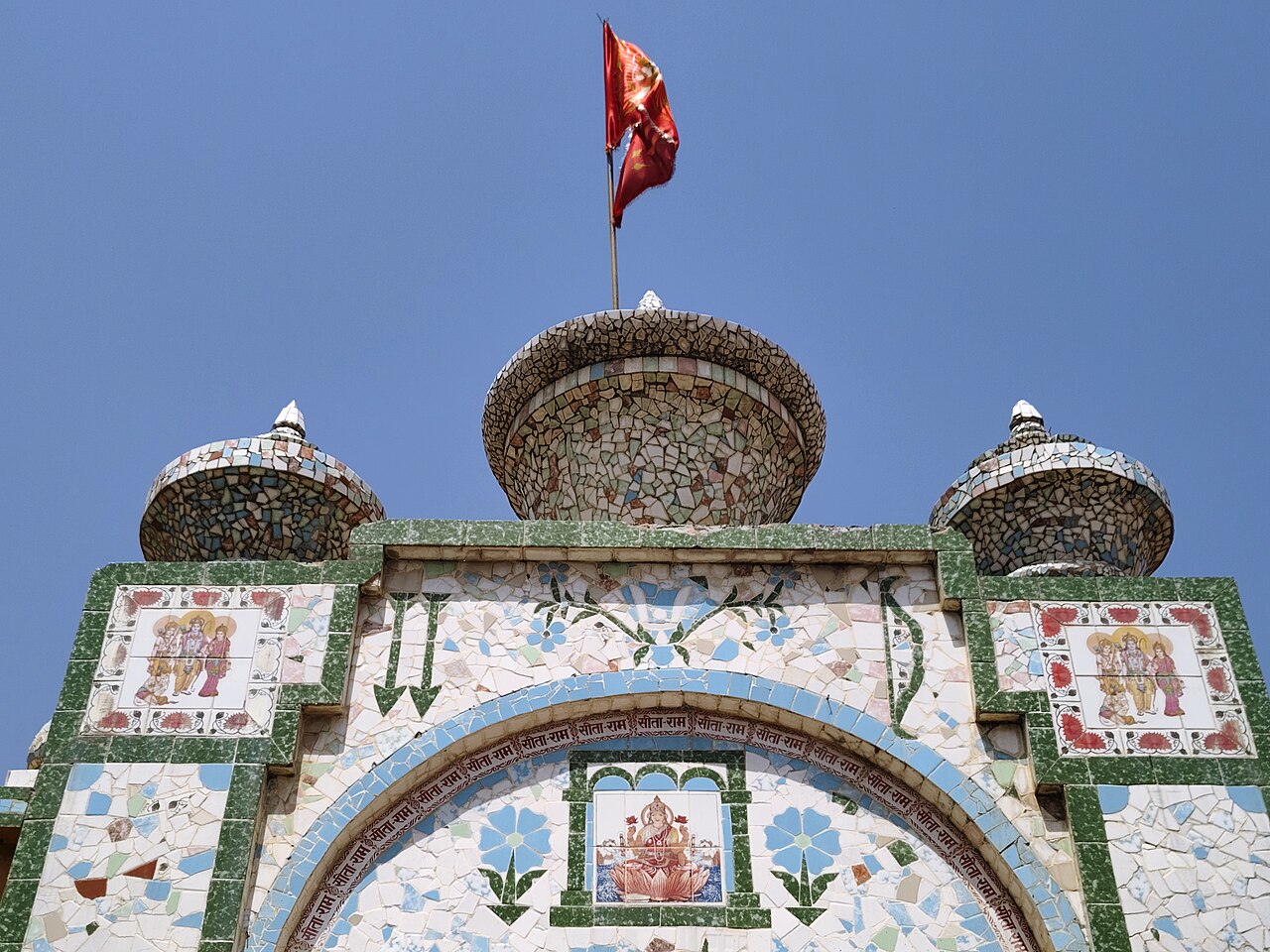
Dashrath Mahal: The Royal Palace
Dashrath Mahal in Ramkot, Ayodhya, is revered as the site of King Dasharatha's palace where Shri Ram and his brothers grew up. Story and visitor tips.
Sita ki Rasoi: The Kitchen of Sita
Sita ki Rasoi near the Janmabhoomi in Ayodhya is revered as the kitchen where the new bride Sita first cooked. Its meaning and the Annapurna tradition.

Lata Mangeshkar Chowk and the Giant Veena
Lata Mangeshkar Chowk near Naya Ghat in Ayodhya is a landmark crossing with a 40-foot veena honouring the singer of countless Ram bhajans.