
Shri Ram: Life, Deeds and Message
Who Shri Ram is, what he did from birth in Ayodhya to Ram Rajya, what he said at the turning points of his life, and why he is called Maryada Purushottam.
Who is Shri Ram
Shri Ram is the hero of the Ramayana, the prince and later king of Ayodhya, born in the Raghukul line of the Sun as the eldest son of King Dasharatha and Queen Kaushalya. Hindu tradition worships him as the seventh avatar of Bhagwan Vishnu. He is called Maryada Purushottam: the best of men, who never stepped across the line of right conduct, whatever it cost him.
That last part is the heart of the matter. The Ramayana does not show a god who wins easily. It shows a man who loses a throne, a home, and for a time his wife, and who meets each loss by asking one question: what is the right thing to do here?
Birth and boyhood in Ayodhya
Ram was born in Ayodhya on the ninth day of the bright half of the month of Chaitra, the day now celebrated as Ram Navami. His brothers were Bharata, Lakshmana and Shatrughna. The princes studied under Guru Vasishtha. While still a boy, Ram went with Sage Vishwamitra to guard the sages' sacrifices, and at Mithila he strung and broke the great bow of Shiva and married Sita. These events are told in the Bala Kanda.
The exile: fourteen years for a father's promise
On the eve of Ram's coronation, Queen Kaikeyi claimed two boons that Dasharatha had once promised her: the throne for her son Bharata, and fourteen years of forest exile for Ram. The king could not bring himself to say it. Ram said it for him. He accepted the exile at once, because a father's promise broken would have been a greater loss to Ayodhya than a prince gone. Sita and Lakshmana chose to go with him. See the Ayodhya Kanda.
The forest, the loss of Sita and the alliance
In the forest Ram protected the sages, ate the berries offered by the old tribal devotee Shabari, and performed the last rites of the vulture Jatayu as a son would for a father. When Ravana, king of Lanka, carried Sita away, Ram did not have an army. He had a friendship: with Sugriva of Kishkindha and, above all, with Hanuman. These years fill the Aranya, Kishkindha and Sundara Kandas.
The war in Lanka and the return
Ram's army built a bridge across the sea, and before fighting he sent Angada to offer Ravana peace if Sita was returned. Ravana refused. He fell in the war described in the Yuddha Kanda. Ram gave Lanka not to himself but to Ravana's righteous brother Vibhishana, and came home to Ayodhya, where the people lit lamps along every street. That night is remembered as Deepavali, and Ayodhya still relives it as Deepotsav.
Ram Rajya
Ram's rule became the Indian name for good government. The Ramayana describes a kingdom where no one went hungry, no one feared a thief, and the king held himself to a stricter law than his subjects. Read more in Ram Rajya: leadership as service.
What Shri Ram said
A few lines from the Ramayana tradition carry the whole character:
- On his father's promise: he would enter fire or drink poison if his father asked, for there is no greater dharma than serving one's father and keeping his word.
- To Vibhishana, who came from the enemy's camp: whoever comes to me even once and says "I am yours", to him I give freedom from fear. This is my vow.
- On his own word: Ram does not speak twice. What he has said once, he does.
Why his life is a road for our own
Ram's choices can be followed by anyone: keep your word, honour your parents, stand by your friends, treat the humblest person with respect, refuse to gain by wrong means, and when you hold power, use it for those who depend on you. The teachings section takes these one at a time. To see where these events are remembered on the ground, visit the places of Ayodhya, beginning with Shri Ram Janmabhoomi Mandir.
Last updated:
Read next
Bala Kanda: Birth and Boyhood of Shri Ram
The first book of the Ramayana: Dasharatha's yajna, the birth of the four princes in Ayodhya, the journey with Vishwamitra and the wedding of Ram and Sita.
Yuddha Kanda: The War in Lanka
The sixth book of the Ramayana: Vibhishana's refuge, the bridge across the sea, the fall of Kumbhakarna, Indrajit and Ravana, and the return to Ayodhya.

Uttara Kanda: Ram Rajya and After
The seventh book of the Ramayana: the reign of Ram, Sita in Valmiki's ashram, the birth of Luv and Kush, and Ram's final departure at the Saryu.
The Power of a Promise: Keeping Your Word
Why Shri Ram gave up a kingdom to keep his father's promise, the reasoning behind the Raghukul rule, and how to practise it in daily life.
Brotherhood and Family: Bharata and Lakshmana
Four brothers and a throne none of them would take from another: what the Ramayana teaches about siblings, inheritance and holding a family together.
The Dignity and Strength of Sita
Sita chose the forest, defied Ravana alone for a year, raised two sons by herself and left on her own terms. What her life teaches about inner strength.
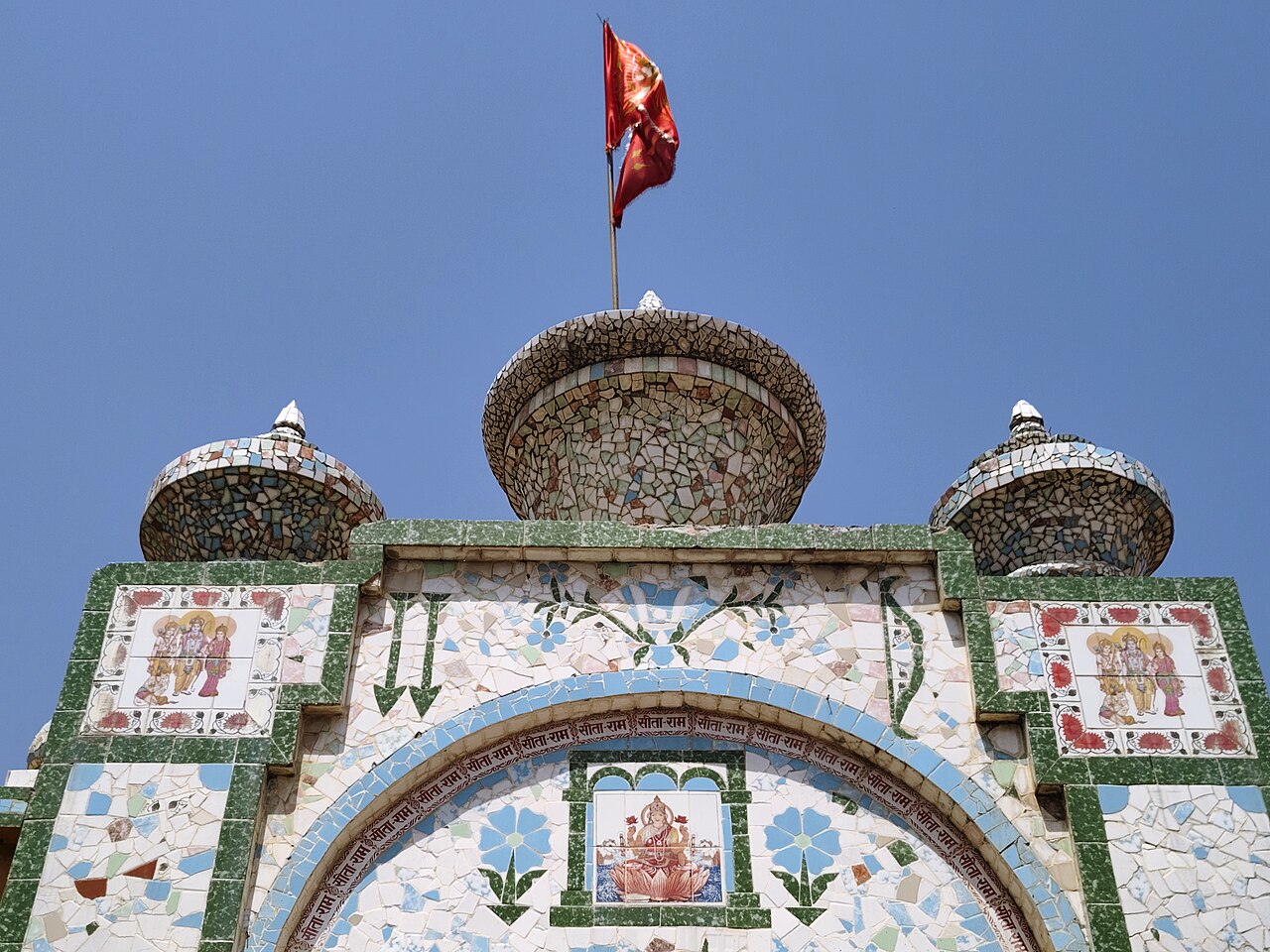
Dashrath Mahal: The Royal Palace
Dashrath Mahal in Ramkot, Ayodhya, is revered as the site of King Dasharatha's palace where Shri Ram and his brothers grew up. Story and visitor tips.
Nageshwarnath Temple: Founded by Kush
Nageshwarnath, the Shiva temple at Ram ki Paidi in Ayodhya, is said to have been founded by Kush, son of Shri Ram. The legend of the lost armlet.

Suraj Kund: The Pond of the Sun
Suraj Kund at Darshan Nagar near Ayodhya is an old stepped pond and Sun temple linked with the Suryavanshi kings, the solar ancestors of Shri Ram.