
Ram Navami in Ayodhya: Birthday of Shri Ram
Ram Navami, the birth festival of Shri Ram on Chaitra Shukla Navami: its meaning, how Ayodhya celebrates at noon, the Surya Tilak, and crowd planning.

What it celebrates
Ram Navami marks the birth of Shri Ram to Queen Kaushalya and King Dasharatha in Ayodhya, on the ninth day (navami) of the bright half of the month of Chaitra, at midday. The Bala Kanda tells the story. It is the final day of Chaitra Navratri, nine days during which many devotees fast and read the Ramcharitmanas from beginning to end.
How Ayodhya celebrates
For the city where he was born this is the greatest day of the year. Pilgrims arrive for days beforehand, bathe in the Saryu before dawn and queue for darshan. In every temple the same thing happens at noon: the doors are closed for a few minutes and then thrown open to the sound of conches and bells to announce the birth, the child Ram is rocked in a cradle, and the verse beginning "Bhaye pragat kripala" from the Ramcharitmanas is sung. Panjiri and other prasad are distributed. Kanak Bhawan, Dashrath Mahal and Hanuman Garhi are decorated, and processions pass through the streets.
Surya Tilak
At Shri Ram Janmabhoomi Mandir, an arrangement of mirrors and lenses designed by Indian scientists directs a beam of sunlight on to the forehead of Ram Lalla at noon on Ram Navami, a "Surya Tilak" from the Sun to a prince of the Solar dynasty. It was first performed in 2024 and is shown on screens in the city and broadcast live.
The meaning
The Ramayana places the birth at noon, when the sun stands highest and casts the least shadow. Devotees read this as a sign of the life to come: lived in full light, with nothing hidden. The day is a good one to take up a single teaching of Ram and resolve to practise it for a year.
Planning your visit
- This is the most crowded day in Ayodhya; several hundred thousand people come. Book rooms and trains well ahead, and expect to walk long distances because vehicles are stopped far out.
- Darshan timings at the main temple are usually extended; follow the trust's announcements.
- April sun is strong. Carry water, cover your head and avoid the worst queues with elders and infants.
- If the crowd on the day itself is too much, come a day or two earlier during Navratri, when the atmosphere is already festive.
- You can watch the noon ceremony live on television if you cannot travel.
See Best time to visit Ayodhya and Safety tips for pilgrims.
Timings, entry rules, routes and prices change, especially on festival days. Please confirm with the temple, the district administration or the provider before you travel.
Last updated:
Read next
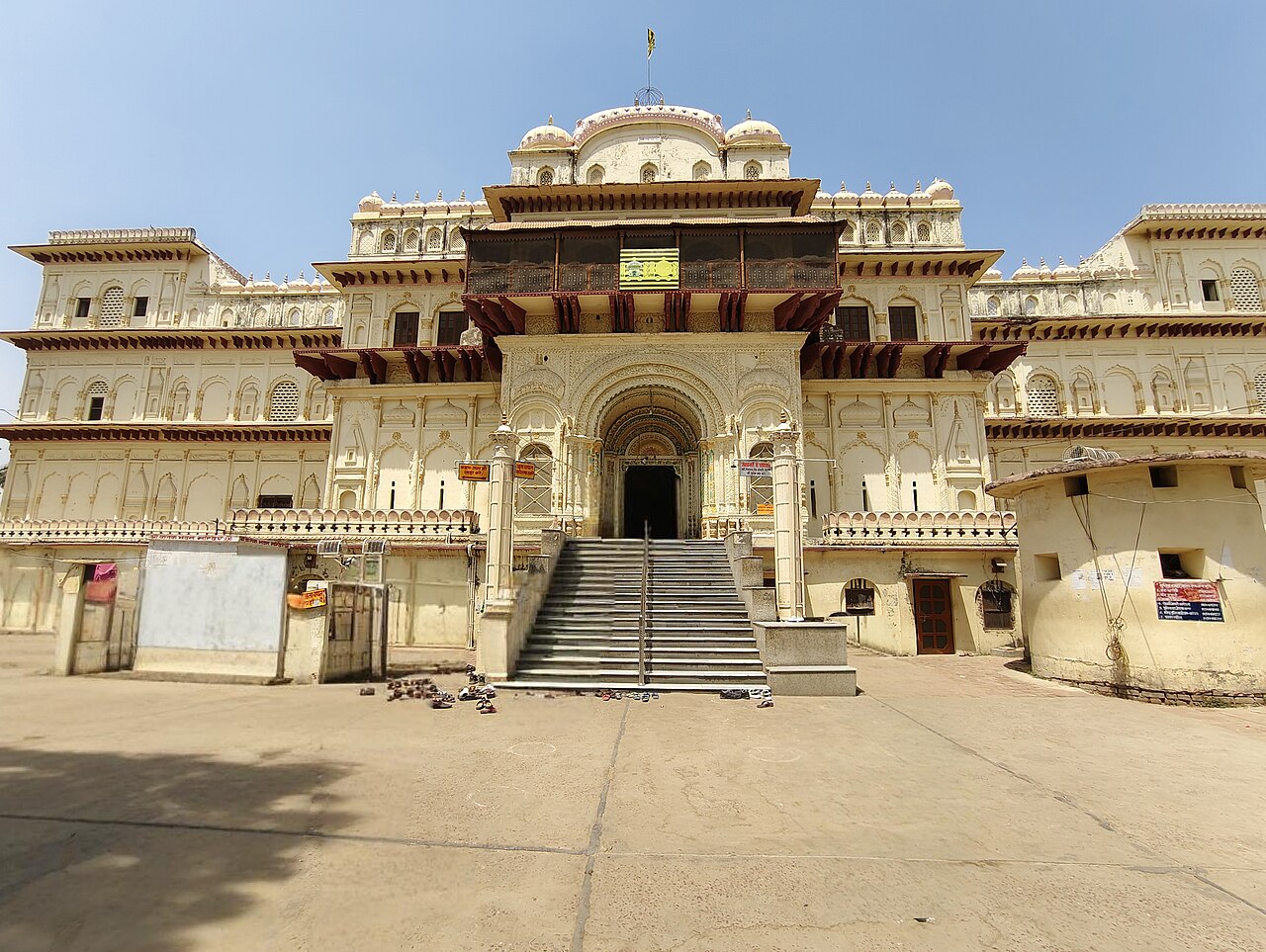
Kanak Bhawan: The Palace of Sita and Ram
Kanak Bhawan in Ayodhya is remembered as the golden palace Kaikeyi gave to Sita as a bride. Its story, its gold-crowned idols and how to visit.
Mani Parvat: The Hill of Jewels
Mani Parvat is a small hill in Ayodhya linked with Hanuman's Sanjeevani mountain and King Janaka's gift of jewels. Where the Sawan swing festival begins.
Suraj Kund: The Pond of the Sun
Suraj Kund at Darshan Nagar near Ayodhya is an old stepped pond and Sun temple linked with the Suryavanshi kings, the solar ancestors of Shri Ram.
Best Time to Visit Ayodhya: Month by Month
When to visit Ayodhya: weather in each season, festival dates that bring huge crowds, fog and heat warnings, and the calmest weeks for darshan.
Ayodhya Two-Day Itinerary
Two unhurried days in Ayodhya: the main temples and Saryu aarti on day one; Guptar Ghat, Nandigram, Suraj Kund and Mani Parvat on day two.
The Ramayana Trail: Places of Ram's Journey Across India
From Ayodhya to Rameshwaram: the places tradition links with each stage of Shri Ram's life, with the episode each one remembers. For pilgrims planning beyond Ayodhya.