
Vivah Panchami: Wedding of Ram and Sita
Vivah Panchami marks the wedding of Shri Ram and Sita on Margashirsha Shukla Panchami. How Ayodhya celebrates with the Ram Barat, and what it means.

What it celebrates
Vivah Panchami is the wedding anniversary of Shri Ram and Sita. After Ram strung and broke the bow of Shiva at Mithila, King Janaka sent messengers to Ayodhya, King Dasharatha came with a great wedding party, and on the fifth day of the bright half of the month of Margashirsha the marriage took place, with the three other brothers married to princesses of Janaka's house at the same ceremony. The story closes the Bala Kanda.
How Ayodhya celebrates
Ayodhya celebrates as the groom's town. In the days before, temples hold the preliminary rites of a north Indian wedding for the deities, including the tilak and the haldi. On the day itself the Ram Barat, the bridegroom's procession, goes out from several temples with bands, decorated horses and chariots, lamps and dancing, and devotees join as members of the wedding party. In the evening the marriage rites are performed for the images of Ram and Sita, with the garlands, the sacred fire and the wedding songs sung in Awadhi and Maithili, followed by a feast. Kanak Bhawan, the palace given to the bride, is a focus of the celebrations, as are Dashrath Mahal and Sita ki Rasoi.
The festival is grandest at Janakpur in Nepal, the bride's home, and wedding parties have at times travelled from Ayodhya to Janakpur to re-enact the journey, a reminder of the old bond between Awadh and Mithila.
The meaning
This marriage is held up as the ideal. Three things are usually drawn from it.
- It began with worthiness, not wealth: the test was a bow, not a dowry.
- It was a partnership through hardship. When exile came, Sita chose the forest, and Ram, when separated from her, searched the length of the country and never took another wife.
- It joined two families and two regions in lasting affection. Wedding songs in Mithila still tease Ram as the son-in-law.
Read The dignity and strength of Sita.
A custom worth knowing
In parts of Mithila some families traditionally avoid holding their daughters' weddings on this date, despite its sanctity, because Sita's married life brought her so much suffering. Others consider it highly auspicious. The difference shows how personally people take this story.
Planning your visit
- The festival falls in late November or December; check the date for your year.
- Evenings are cold. Carry warm clothing, and expect morning fog later in the season.
- The processions move through the main streets of the old town in the afternoon and evening; ask locally for the routes.
- Crowds are lively but far lighter than at Ram Navami or Deepotsav, which makes this one of the most enjoyable festivals for visitors.
See also Best time to visit Ayodhya and the festival calendar.
Timings, entry rules, routes and prices change, especially on festival days. Please confirm with the temple, the district administration or the provider before you travel.
Last updated:
Read next
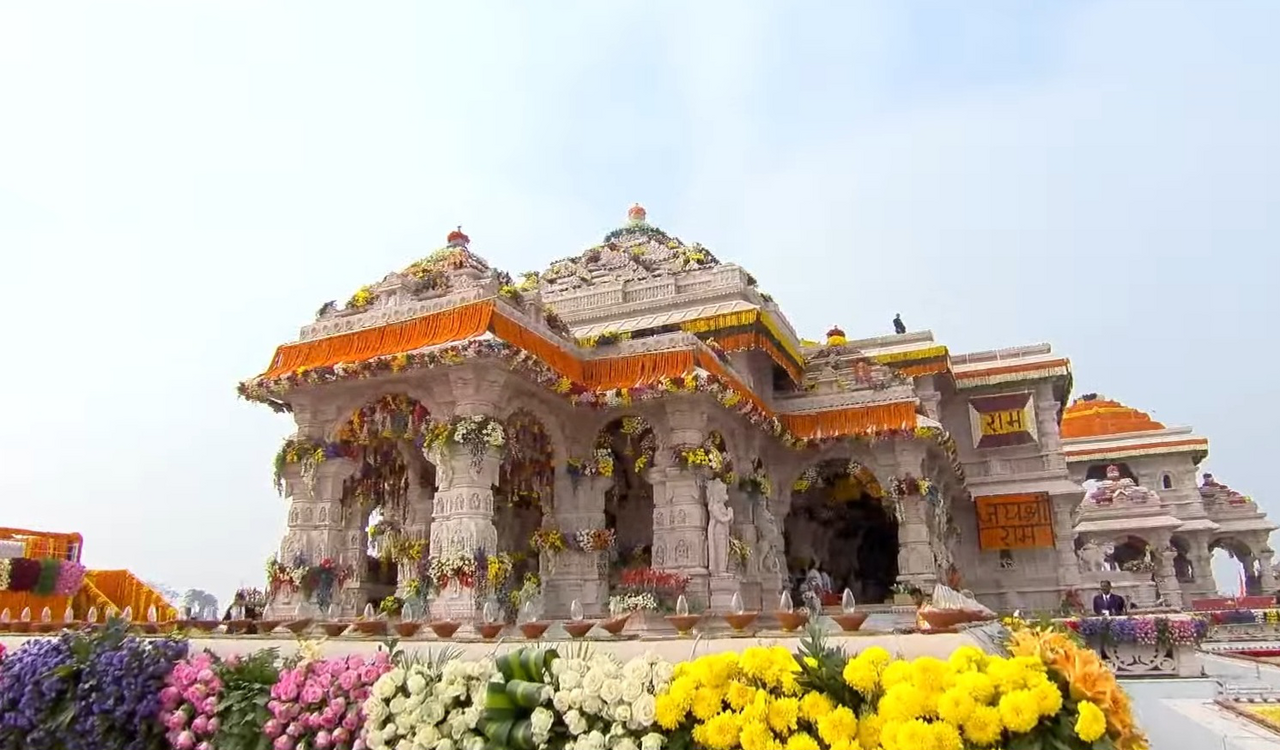
Shri Ram Janmabhoomi Mandir, Ayodhya
The temple at the birthplace of Shri Ram in Ayodhya: its story, architecture, the idol of Ram Lalla, how darshan works and practical tips for visitors.
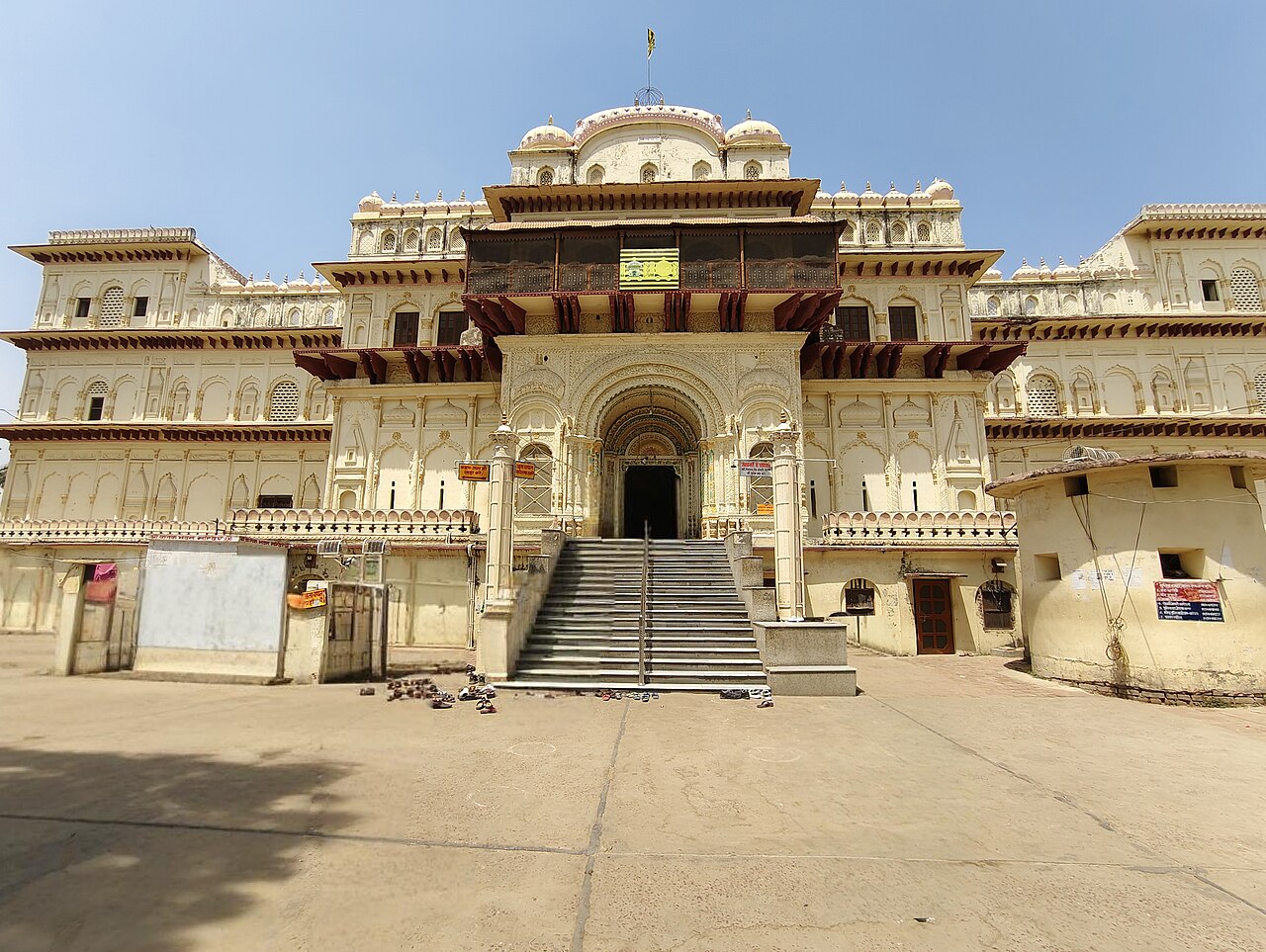
Kanak Bhawan: The Palace of Sita and Ram
Kanak Bhawan in Ayodhya is remembered as the golden palace Kaikeyi gave to Sita as a bride. Its story, its gold-crowned idols and how to visit.
Nageshwarnath Temple: Founded by Kush
Nageshwarnath, the Shiva temple at Ram ki Paidi in Ayodhya, is said to have been founded by Kush, son of Shri Ram. The legend of the lost armlet.

How to Reach Ayodhya by Air, Train and Road
Reaching Ayodhya: the airport, the two railway stations, road distances from Lucknow, Varanasi, Prayagraj and Gorakhpur, and getting around the city.

Best Time to Visit Ayodhya: Month by Month
When to visit Ayodhya: weather in each season, festival dates that bring huge crowds, fog and heat warnings, and the calmest weeks for darshan.
Ayodhya in One Day: A Darshan Itinerary
A realistic one-day Ayodhya plan in the traditional order: Saryu, Hanuman Garhi, Ram Mandir, Kanak Bhawan, Dashrath Mahal and the evening aarti.