
Ayodhya in One Day: A Darshan Itinerary
A realistic one-day Ayodhya plan in the traditional order: Saryu, Hanuman Garhi, Ram Mandir, Kanak Bhawan, Dashrath Mahal and the evening aarti.

How to use this plan
This is the order most pilgrims have followed for generations: river, guardian, Lord, palace, river again. It works for a visitor arriving the night before or by an early train. Temple hours vary through the year, so treat the times as a guide and check locally.
Sunrise: the Saryu
Begin at Naya Ghat. A dip in the Saryu, or simply touching its water to your head, is the customary start of an Ayodhya yatra. Watch the sunrise; the river is at its most peaceful. Bathe only at the steps and within the railings.
Early morning: Hanuman Garhi
Walk or take an e-rickshaw to Hanuman Garhi and climb the 76 steps while the queue is short. Offer laddoos and ask the guardian's leave.
Morning: Shri Ram Janmabhoomi Mandir
Go straight on to the Ram Mandir. Deposit your phone and footwear, pass security and have darshan of Ram Lalla. Allow two to three hours. Read the darshan guide the night before.
Late morning: Dashrath Mahal and Kanak Bhawan
Both are a few minutes' walk away. Sit for a while in the courtyard of Kanak Bhawan and listen to the kirtan at Dashrath Mahal. If access is open, see Sita ki Rasoi.
Midday: eat and rest
Most temples close in the early afternoon. Have a simple vegetarian meal at a bhojanalaya or at one of the free kitchens run by ashrams, then rest. In summer this break is essential. Find places in the directory.
Afternoon: one more stop
Choose one according to your energy:
- Tulsi Smarak Bhawan for the Ram Katha exhibits, or
- Mani Parvat for the view, or
- Guptar Ghat by taxi for a quiet hour by the river.
Evening: the riverfront
Be at Lata Mangeshkar Chowk before sunset, walk down to Ram ki Paidi, visit Nageshwarnath Temple on the ghats, and take your place for the Saryu aarti at Naya Ghat. Stay for the lights afterwards.
Practical notes
- Carry water, a cap and a small towel; leave valuables in your room.
- Fix a meeting point with your group at each stop.
- With elders, skip the afternoon stop and keep the evening; see Ayodhya with elders and children.
- Want the stories told as you go? Request a guided tour.
Have a second day? See the two-day itinerary.
Timings, entry rules, routes and prices change, especially on festival days. Please confirm with the temple, the district administration or the provider before you travel.
Last updated:
Read next
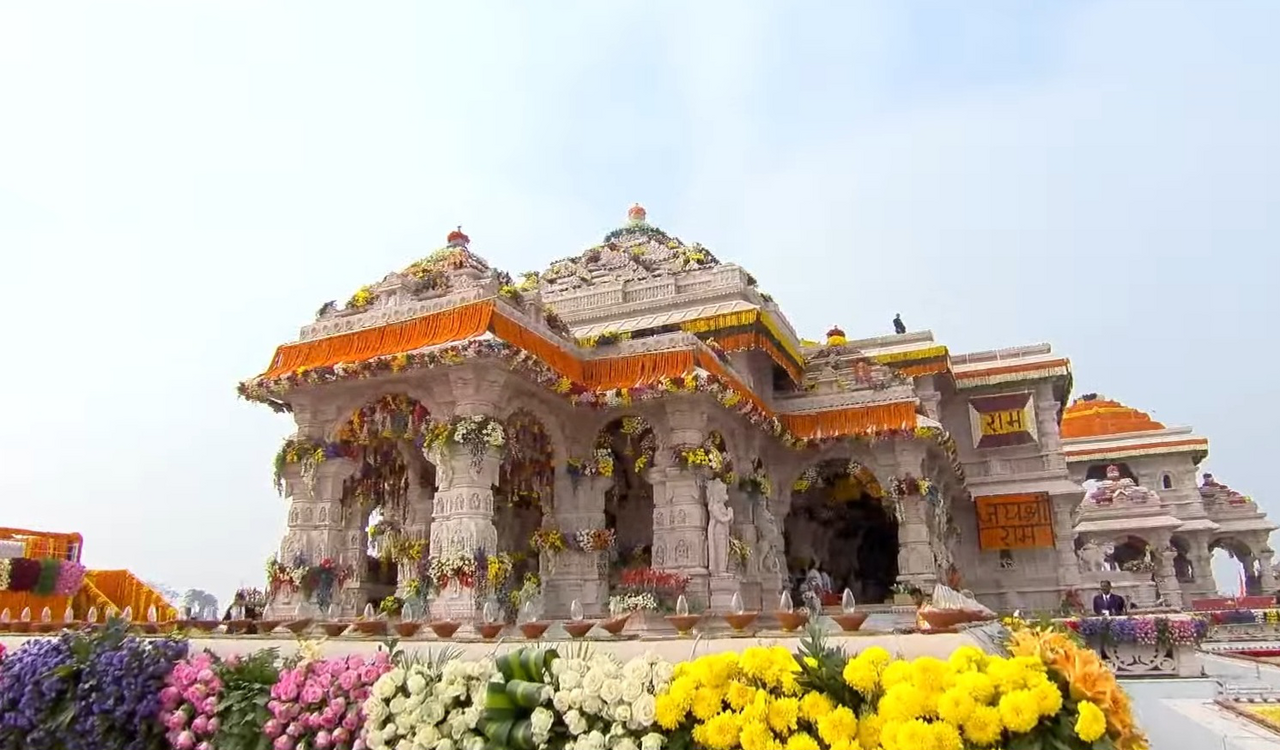
Shri Ram Janmabhoomi Mandir, Ayodhya
The temple at the birthplace of Shri Ram in Ayodhya: its story, architecture, the idol of Ram Lalla, how darshan works and practical tips for visitors.
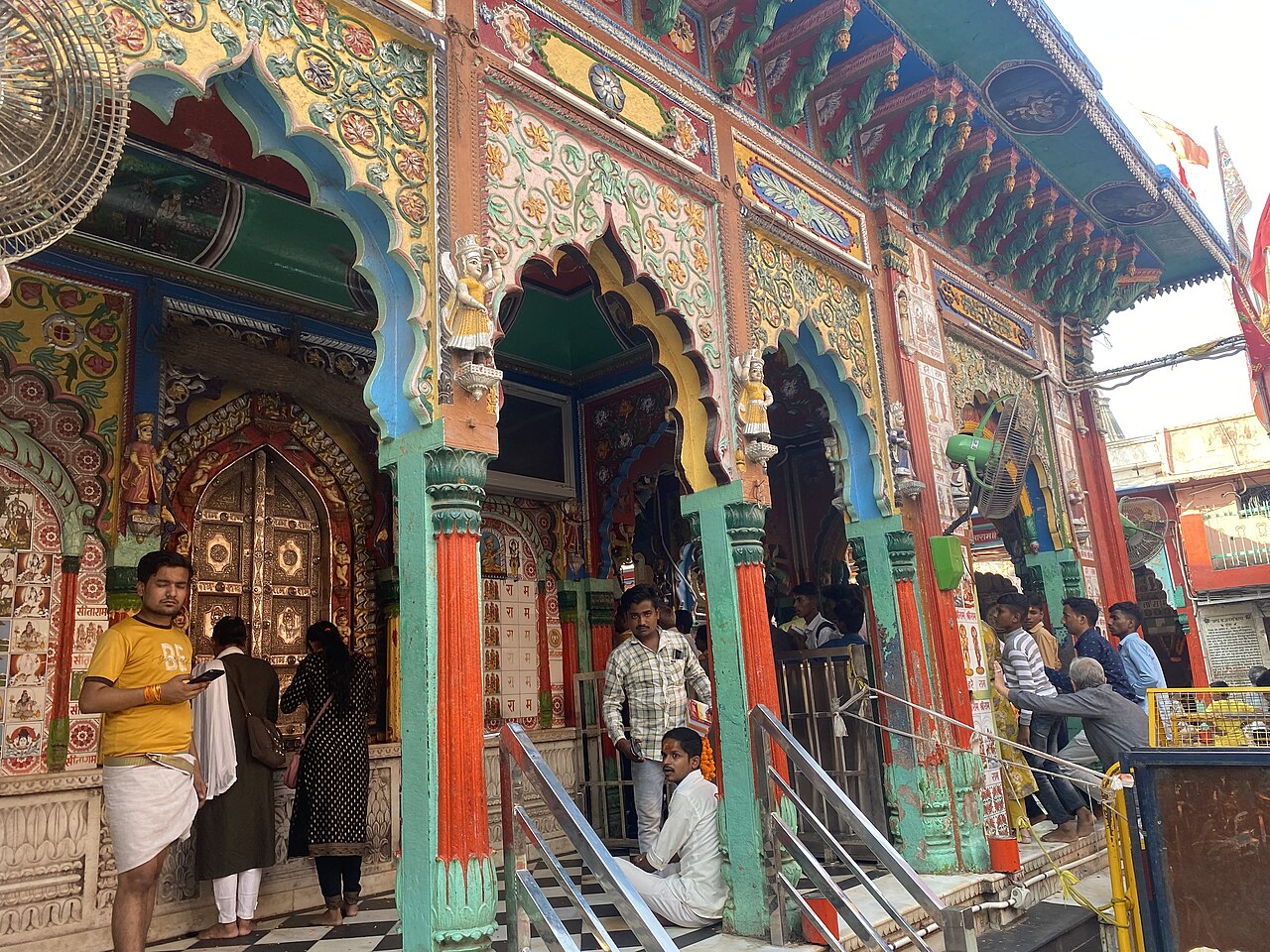
Hanuman Garhi: The Guardian of Ayodhya
Hanuman Garhi, the hilltop fort-temple of Hanuman in Ayodhya: why pilgrims visit it before Ram Mandir, its 76 steps, its story and tips for darshan.
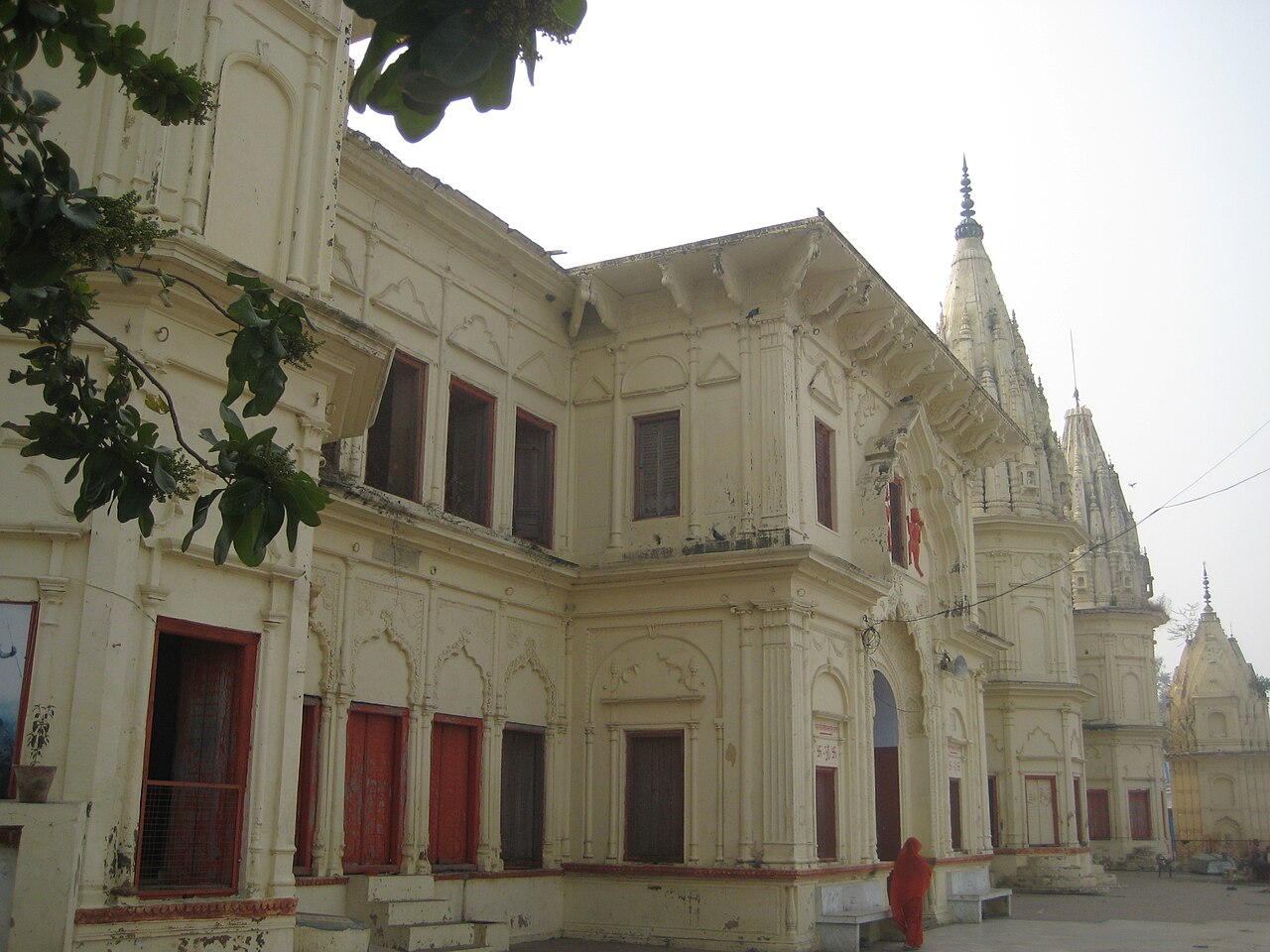
Guptar Ghat: Where Shri Ram Left the World
Guptar Ghat on the Saryu is revered as the place where Shri Ram entered the river at the end of his life on earth. Its story, temples and how to visit.

Ram Navami in Ayodhya: Birthday of Shri Ram
Ram Navami, the birth festival of Shri Ram on Chaitra Shukla Navami: its meaning, how Ayodhya celebrates at noon, the Surya Tilak, and crowd planning.
Kartik Parikrama: Walking Around Ayodhya
The Chaudah Kosi and Panch Kosi Parikrama and Kartik Purnima bath in Ayodhya: routes, dates, meaning and how to prepare for the long barefoot walk.

Vivah Panchami: Wedding of Ram and Sita
Vivah Panchami marks the wedding of Shri Ram and Sita on Margashirsha Shukla Panchami. How Ayodhya celebrates with the Ram Barat, and what it means.