
Ram Mandir Darshan Guide: Step by Step
How darshan at Shri Ram Janmabhoomi Mandir in Ayodhya works: entry, lockers, what not to carry, the queue, aarti passes, dress, elders and common scams.
Before you leave your room
Darshan at Shri Ram Janmabhoomi Mandir is free and open to everyone. What takes time is security, so the simplest way to have a calm visit is to carry almost nothing.
- Leave phones, cameras, power banks, earphones and smart watches in your room if you can. If you bring them, you must deposit them.
- Leather belts, wallets and bags, tobacco, food and large bags are not permitted.
- Carry a photo ID, a little cash, any medicine you need and a small bottle of water.
- Wear modest, comfortable clothes and footwear that slips off easily. Indian dress is customary but not compulsory.
Step 1: Hanuman Garhi first
By tradition, begin at Hanuman Garhi to seek the guardian's leave. It is less than a kilometre from the temple entrance.
Step 2: Reach the entry point
Pilgrims enter from the Ram Path side through the main approach, Ram Janmabhoomi Path. Vehicles stop well short; e-rickshaws drop you near the start of the pedestrian path.
Step 3: Lockers and footwear
At the pilgrim facilitation centre there are counters to deposit phones and belongings and to leave footwear. You are given a token. Keep it in a pocket you will not empty. Drinking water, toilets, seating, first aid and wheelchairs are available here.
Step 4: Security and the walk
You pass through metal detectors and a physical check, then walk along a covered path to the temple. Follow the barricades; there is one line and it keeps moving.
Step 5: Darshan
You climb the steps on the eastern side and move through the halls to stand before Ram Lalla. On busy days you will have only a few seconds in front of the sanctum, so decide beforehand what you wish to pray for, and look up rather than at your feet. Prasad is given on the way out.
Aarti and special passes
The trust issues a limited number of passes for the daily aartis and may offer other arrangements. These are issued only through its official website or its counter in Ayodhya, against ID, and are not sold. Timings change with the season, so check srjbtkshetra.org shortly before your visit.
Best time of day
Soon after opening in the morning and in the late evening are usually quieter. Avoid the middle of the day in summer. Weekends, Tuesdays, public holidays and festival days are heaviest; see Best time to visit Ayodhya.
Elders, children and differently-abled visitors
Ask for a wheelchair at the facilitation centre; volunteers assist. Details are in Ayodhya with elders and children.
Scams to refuse
- "VIP darshan" or "direct entry" for money. It does not exist.
- Websites or callers collecting donations in the temple's name. Give only through the trust's official channels.
- Strangers offering to "keep your phone safely". Use the official lockers.
If you are cheated, call 1930 (cyber crime) or 112. More: Safety tips for pilgrims and Helpline. After darshan, continue to Kanak Bhawan and Dashrath Mahal.
Timings, entry rules, routes and prices change, especially on festival days. Please confirm with the temple, the district administration or the provider before you travel.
Last updated:
Read next
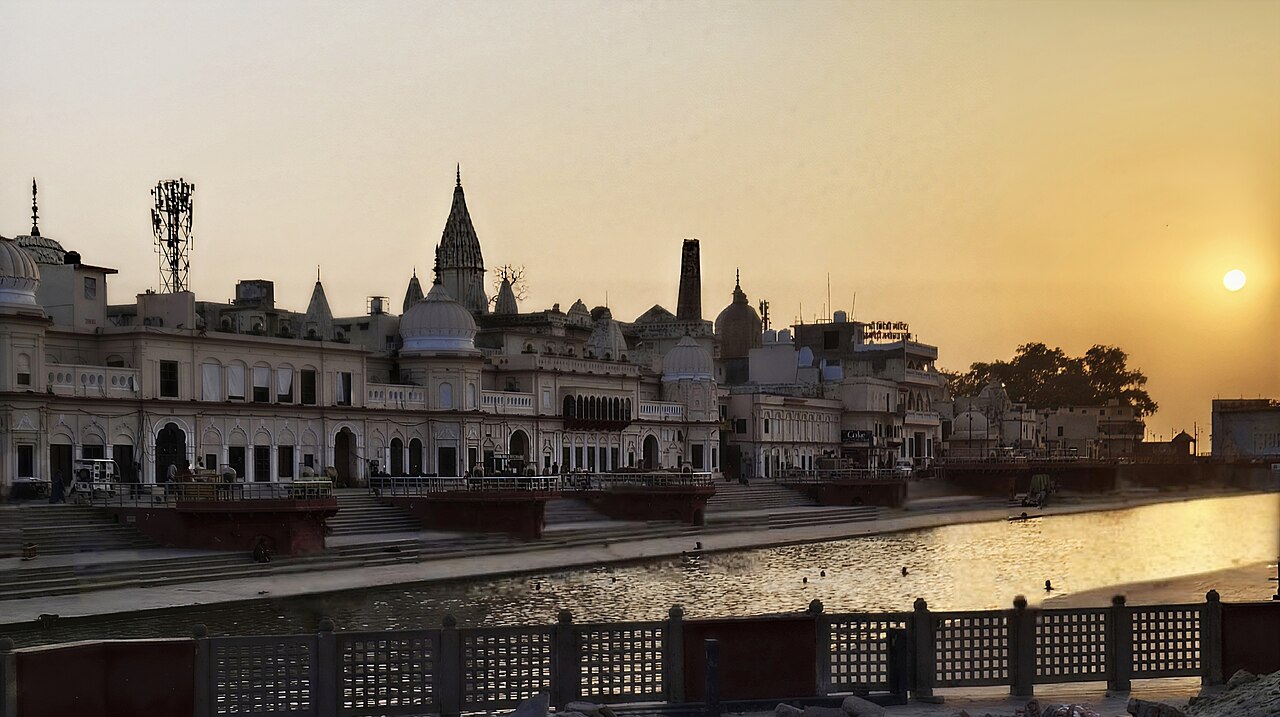
Ram ki Paidi: The Ghats of a Million Lamps
Ram ki Paidi is the long line of bathing ghats beside the Saryu in Ayodhya, home of the Deepotsav lamp festival. What to see and the best time to go.
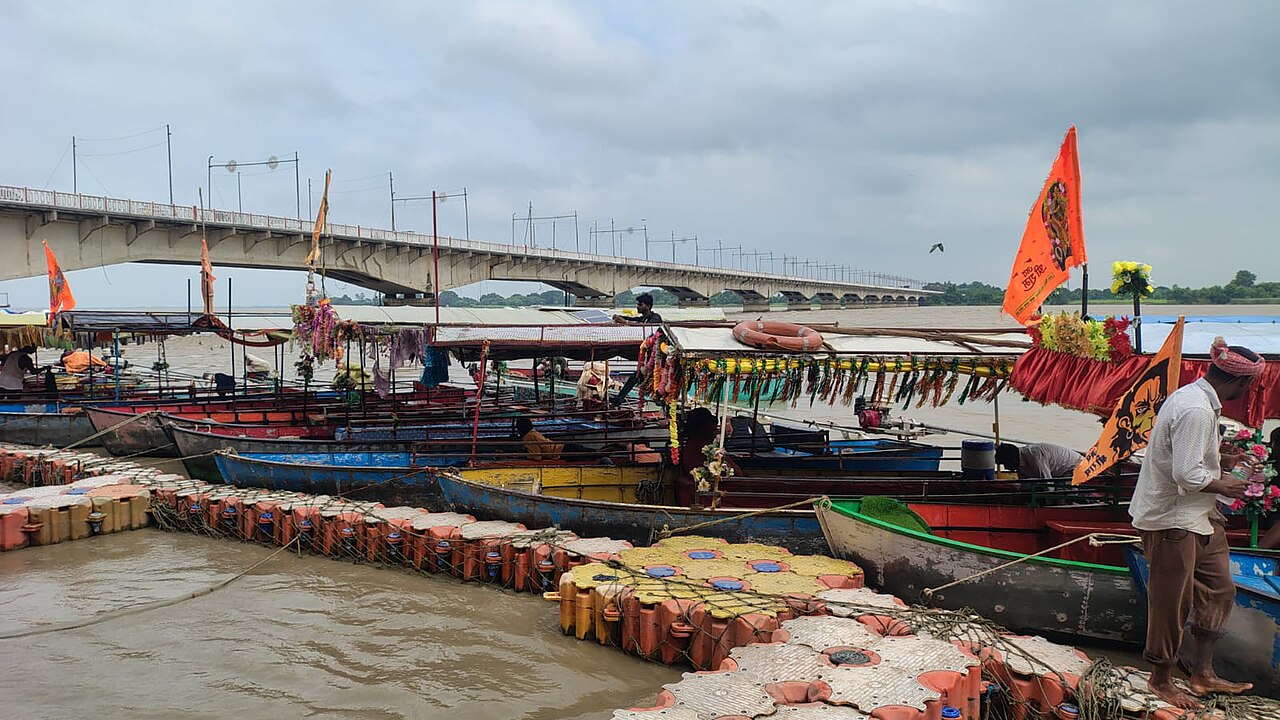
Saryu Ghat and the Evening Aarti
The Saryu river at Naya Ghat, Ayodhya: why the river is sacred, the evening aarti, boat rides, the ghats to see and safety advice for bathing.
Bharat Kund, Nandigram: Where Bharata Waited
Bharat Kund at Nandigram, near Ayodhya, is where Bharata is believed to have lived as an ascetic for fourteen years, ruling in the name of Ram's sandals.

Ram Navami in Ayodhya: Birthday of Shri Ram
Ram Navami, the birth festival of Shri Ram on Chaitra Shukla Navami: its meaning, how Ayodhya celebrates at noon, the Surya Tilak, and crowd planning.
Deepotsav Ayodhya: The Festival of Lamps
Deepotsav in Ayodhya, on the eve of Diwali, relives the return of Shri Ram with millions of lamps at Ram ki Paidi. Meaning, programme and how to attend.
Sawan Jhula Mela: The Swing Festival
The Sawan Jhula Mela of Ayodhya: in the monsoon month of Shravan, Ram and Sita are placed on decorated swings in temples across the city for a fortnight.