
Safety Tips for Pilgrims in Ayodhya
Staying safe in Ayodhya: crowds, lost family members, river bathing, heat and cold, food and water, transport fares, online fraud and who to call.
Ayodhya is a safe city; crowds are the main risk
Ayodhya is heavily policed, well lit along its main routes and used to visitors. Most problems pilgrims face are the ordinary ones of any crowded place: getting separated, losing belongings, heat, and the occasional cheat. A little preparation prevents nearly all of them.
In crowds
- Decide a meeting point at every stop before you enter, something fixed and visible such as a named gate or counter.
- Put a card with a name and mobile number in the pocket of each child and elder. Teach children to go to a police officer if lost.
- Keep to the barricaded line. Do not push, and do not stop suddenly to pick up something dropped; step aside first.
- If the crowd becomes too dense, move to the side and wait. Darshan will still be there in an hour.
- Avoid the very biggest days with infants, frail elders or anyone unwell.
If someone is lost
Stay near where you last saw them. Go to the nearest police assistance booth or khoya-paya centre, which have public address systems, and give a description. If you cannot find one, call 112.
At the Saryu
Bathe only at built ghats, within the chains. Do not go beyond knee depth if you cannot swim, never bathe alone or after dark, and take special care from July to September. On boats, wear a life jacket and refuse an overloaded boat. See Saryu Ghat.
Health
- Summer: water, ORS, a cap, and rest from late morning to late afternoon. Heatstroke is a real danger in May and June.
- Winter: warm layers and socks; stone floors are very cold at dawn.
- Carry your regular medicines and a doctor's prescription in your hand luggage.
- Eat freshly cooked hot food and drink sealed or filtered water.
- For help, dial 108, or see hospitals and clinics.
Belongings
Carry little. Use the official lockers at the Ram Mandir. Keep cash in two places. Watch your footwear and prasad around monkeys at Hanuman Garhi; do not tease or feed them.
Money and fraud
- Darshan is free everywhere. No one can sell entry.
- Agree fares for e-rickshaws, taxis and boats before you start.
- Buy prasad and souvenirs from shops that display prices.
- Do not scan unknown QR codes or pay advances to personal accounts for rooms; see Where to stay.
- Donate only at official temple counters, never to someone who approaches you.
Women travellers
Ayodhya is generally comfortable for women, including those travelling alone. Use registered transport at night, share your live location with family, and call 1090 or 112 without hesitation if someone troubles you.
Respect
Dress modestly, remove footwear where asked, do not photograph where it is forbidden, and keep the ghats clean. Courtesy is the best safety measure of all.
All numbers are on the helpline page. To travel with a local escort, request a guided tour.
Timings, entry rules, routes and prices change, especially on festival days. Please confirm with the temple, the district administration or the provider before you travel.
Last updated:
Read next
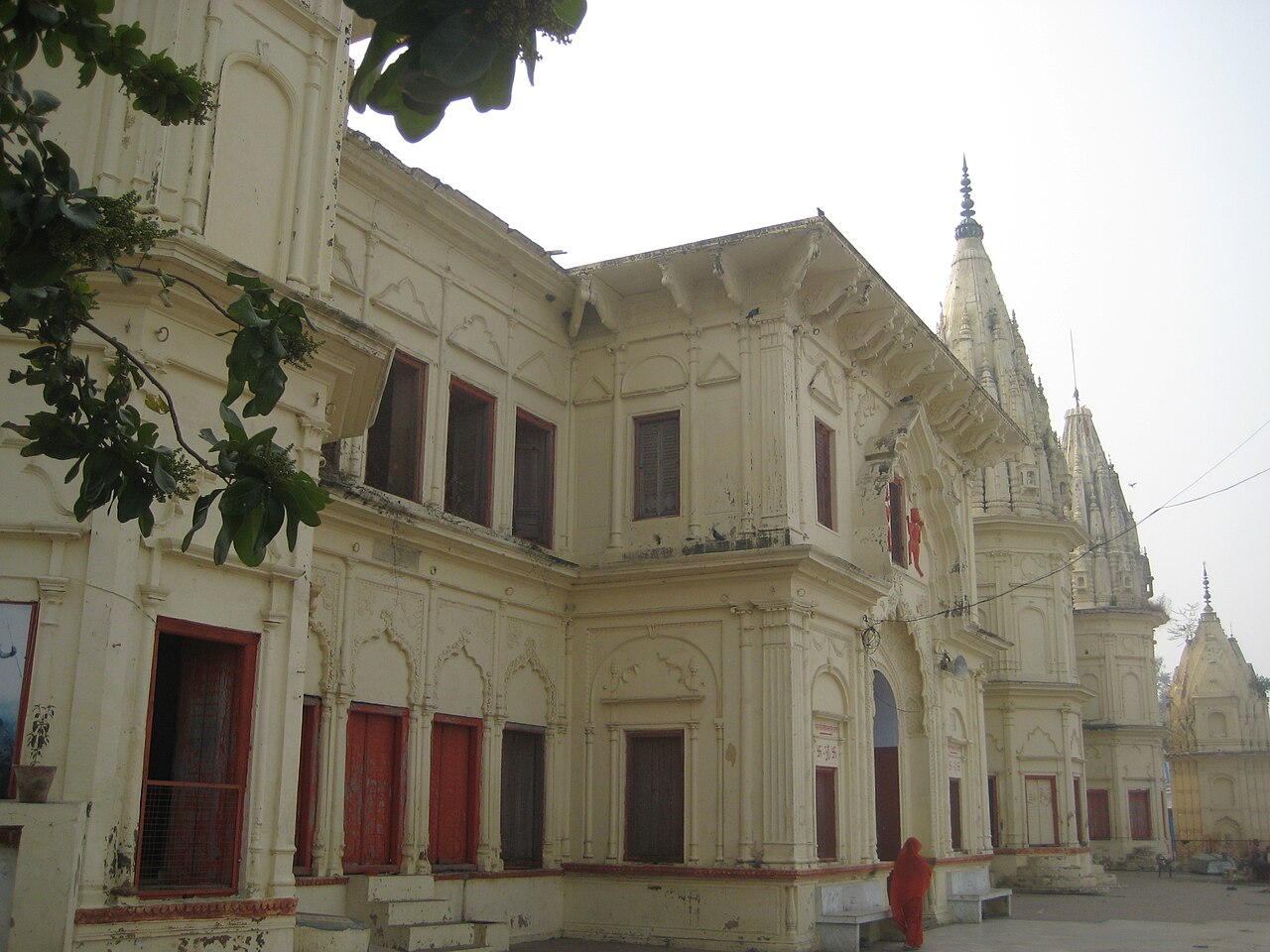
Guptar Ghat: Where Shri Ram Left the World
Guptar Ghat on the Saryu is revered as the place where Shri Ram entered the river at the end of his life on earth. Its story, temples and how to visit.
Mani Parvat: The Hill of Jewels
Mani Parvat is a small hill in Ayodhya linked with Hanuman's Sanjeevani mountain and King Janaka's gift of jewels. Where the Sawan swing festival begins.
Bharat Kund, Nandigram: Where Bharata Waited
Bharat Kund at Nandigram, near Ayodhya, is where Bharata is believed to have lived as an ascetic for fourteen years, ruling in the name of Ram's sandals.

Ram Navami in Ayodhya: Birthday of Shri Ram
Ram Navami, the birth festival of Shri Ram on Chaitra Shukla Navami: its meaning, how Ayodhya celebrates at noon, the Surya Tilak, and crowd planning.
Sawan Jhula Mela: The Swing Festival
The Sawan Jhula Mela of Ayodhya: in the monsoon month of Shravan, Ram and Sita are placed on decorated swings in temples across the city for a fortnight.

Vivah Panchami: Wedding of Ram and Sita
Vivah Panchami marks the wedding of Shri Ram and Sita on Margashirsha Shukla Panchami. How Ayodhya celebrates with the Ram Barat, and what it means.