
Guptar Ghat: Where Shri Ram Left the World
Guptar Ghat on the Saryu is revered as the place where Shri Ram entered the river at the end of his life on earth. Its story, temples and how to visit.
The story
The Ramayana ends at a river. After ruling Ayodhya for many years, Shri Ram knew that the purpose of his life on earth was complete. He crowned his sons Luv and Kush, and set out on foot for the Saryu. The people of Ayodhya would not be left behind; the Uttara Kanda says the whole city followed him, along with the vanaras and bears who had fought for him. At the river he entered the water and returned to his divine form, and those who followed him were granted the higher worlds.
Guptar Ghat is revered as that place. "Gupt" means hidden: here the Lord became hidden from mortal sight. It is also called Gopratar Tirtha in older texts.
The feeling of the place
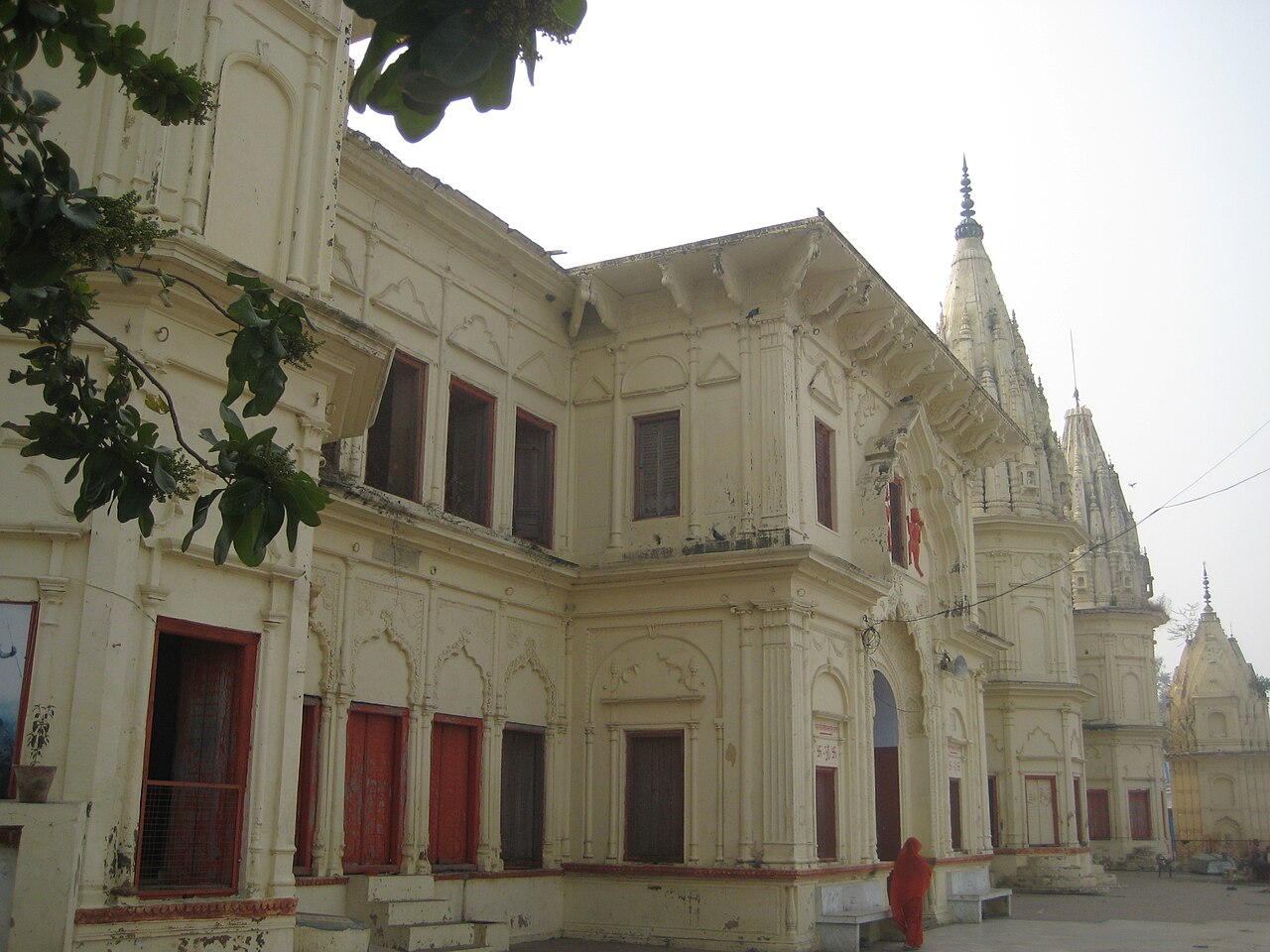
Guptar Ghat lies upstream of the main town, in the green cantonment area of what was formerly Faizabad, and it is far quieter than the ghats near the temples. A long flight of steps, built in the nineteenth century, leads down to a wide and peaceful stretch of the Saryu. On the bank are several old temples, including shrines known as Gupt Hari and Chakra Hari, and a Ram-Janaki temple. A riverside park has been developed alongside.
Why visit
Most of Ayodhya celebrates beginnings: a birth, a wedding, a homecoming. This ghat marks an ending, and the tradition treats it without sorrow. Ram is not said to have died; he completed his work and went home, taking his people with him. Pilgrims come here to sit quietly, to bathe, and to pray for family members who have passed away.
Tips for visiting
- Take an auto, e-rickshaw or taxi from the old town and ask the driver to wait, or fix the return fare in advance.
- Sunrise and sunset are the best times. Boat rides are available.
- Bathe only at the steps and inside the safety barriers.
- It combines well with the Company Garden and other sights on the Faizabad side.
Related: Saryu Ghat and the evening aarti, and the two-day plan in Ayodhya two-day itinerary.
Timings, entry rules, routes and prices change, especially on festival days. Please confirm with the temple, the district administration or the provider before you travel.
Last updated:
Read next

Best Time to Visit Ayodhya: Month by Month
When to visit Ayodhya: weather in each season, festival dates that bring huge crowds, fog and heat warnings, and the calmest weeks for darshan.

Ayodhya in One Day: A Darshan Itinerary
A realistic one-day Ayodhya plan in the traditional order: Saryu, Hanuman Garhi, Ram Mandir, Kanak Bhawan, Dashrath Mahal and the evening aarti.
Ayodhya Two-Day Itinerary
Two unhurried days in Ayodhya: the main temples and Saryu aarti on day one; Guptar Ghat, Nandigram, Suraj Kund and Mani Parvat on day two.

Deepotsav Ayodhya: The Festival of Lamps
Deepotsav in Ayodhya, on the eve of Diwali, relives the return of Shri Ram with millions of lamps at Ram ki Paidi. Meaning, programme and how to attend.
Kartik Parikrama: Walking Around Ayodhya
The Chaudah Kosi and Panch Kosi Parikrama and Kartik Purnima bath in Ayodhya: routes, dates, meaning and how to prepare for the long barefoot walk.

Vivah Panchami: Wedding of Ram and Sita
Vivah Panchami marks the wedding of Shri Ram and Sita on Margashirsha Shukla Panchami. How Ayodhya celebrates with the Ram Barat, and what it means.