
Top Places to Visit in Ayodhya: Famous Temples, Ghats and Historical Sites
Explore the top places to visit in Ayodhya, including Ram Mandir, Hanuman Garhi, Kanak Bhawan and Guptar Ghat. Plan your sightseeing trip with useful travel tips.

Ayodhya, situated on the banks of the Sarayu River in Uttar Pradesh, is a renowned destination for religious tourism, cultural heritage and history. Revered as the birthplace of Lord Rama in Hindu tradition, the city welcomes pilgrims and travellers from across India. The top places to visit in Ayodhya include Shri Ram Janmabhoomi Mandir, Hanuman Garhi, Kanak Bhawan, Ram Ki Paidi, Nageshwarnath Temple and Guptar Ghat. Each attraction offers a distinct experience, from temple darshan to riverside visits and historical exploration. Whether planning a family holiday or a spiritual trip, this guide to the best places to visit in Ayodhya will help you plan your sightseeing route.
Quick List of the Best Places to Visit in Ayodhya
If you have limited time, begin with these popular tourist places in Ayodhya:
Tourist place |
Time needed |
Best time |
Distance from Ram Mandir |
|
Shri Ram Janmabhoomi Mandir |
1.5 to 3 hours |
Early morning, weekday |
0 km |
|
Hanuman Garhi |
30 to 45 min |
Early morning or evening |
About 1 km |
|
Kanak Bhawan |
30 to 45 min |
Morning |
About 1 km |
|
Ram Ki Paidi |
45 to 60 min |
Evening |
About 2.5 to 3 km |
|
Nageshwarnath Temple |
20 to 30 min |
Morning or evening |
About 2.5 to 3 km |
|
Dashrath Mahal |
20 to 30 min |
Morning |
About 1 km |
|
Sita Ki Rasoi |
15 to 20 min |
Morning |
Under 1 km |
|
Guptar Ghat |
1 to 1.5 hours |
Late afternoon |
About 9 to 10 km |
|
Treta Ke Thakur |
20 to 30 min |
Morning |
About 2.5 to 3 km |
|
Gulab Bari |
45 to 60 min |
Morning or winter afternoon |
About 6 to 7 km |
|
Mani Parbat |
20 to 30 min |
Morning or evening |
About 2 to 3 km |
|
Tulsi Smarak Bhawan |
30 to 45 min |
Afternoon |
About 1 to 2 km |
|
Jain Temples of Ayodhya |
1 to 2 hours |
Morning |
About 3 to 5 km |
The time available, current temple arrangements and your interests will determine how many places you can comfortably visit.
1. Shri Ram Janmabhoomi Mandir
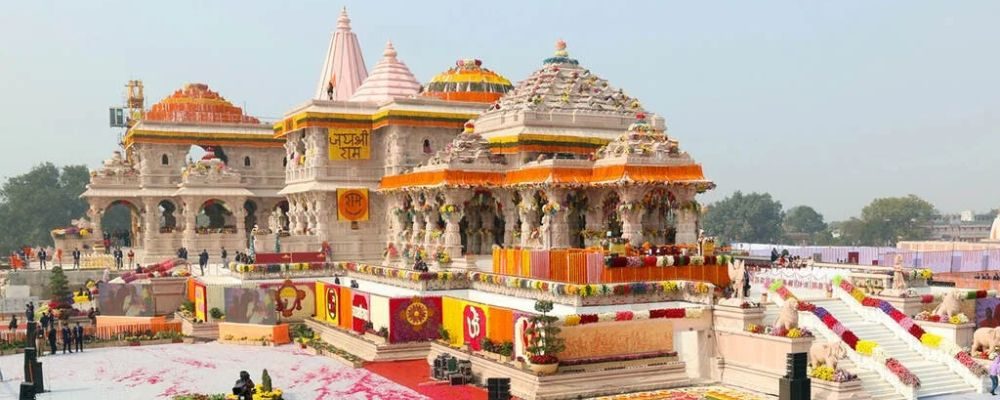
Shri Ram Janmabhoomi Mandir is among the most significant places to visit in Ayodhya. Located in Uttar Pradesh, India, it stands at a site traditionally revered as Lord Rama’s birthplace. The consecration of Ram Lalla took place on 22 January 2024.
The temple features Nagara-style architecture, intricately carved stonework and an expansive complex. Devotees visit for Ram Lalla darshan, while architecture enthusiasts appreciate its design. It remains a central destination for pilgrims exploring Ayodhya’s religious and cultural heritage.
Why visit: For Ram Lalla darshan, religious significance and temple architecture.
Time needed: 1.5 to 3 hours | Best time: early morning, weekday | Entry: free darshan) | Distance from Ram Mandir: 0 km
Read More : Ram Mandir Darshan Guide
2. Hanuman Garhi
Hanuman Garhi is one of the most popular Ayodhya tourist places, attracting devotees of Lord Hanuman throughout the year. According to religious belief, Hanuman protects the sacred city. The temple is an important stop on Ayodhya’s traditional pilgrimage circuit.
Situated on an elevated site, the temple is reached by a flight of steps. Visitors come to offer prayers and seek blessings. Its location also makes it convenient to combine Hanuman Garhi with Shri Ram Janmabhoomi Mandir and Kanak Bhawan.
Why visit: For Hanuman worship and Ayodhya’s religious traditions.
Time needed: 30 to 45 min | Best time: early morning or evening | Entry: free | Distance from Ram Mandir: about 1 km
Read More : Hanuman Garhi
3. Kanak Bhawan
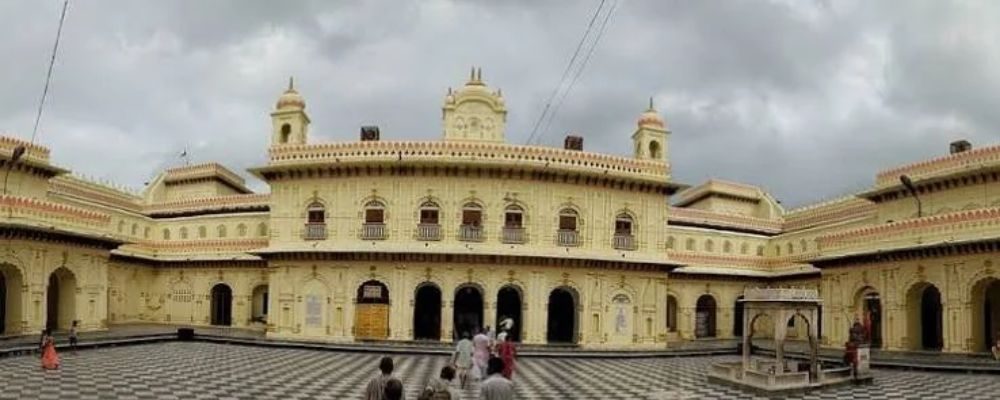
Kanak Bhawan is a renowned Ayodhya temple dedicated to Lord Rama and Goddess Sita. Its name is commonly translated as the Golden Palace. Local religious tradition associates the site with a palace gifted to Sita by Queen Kaikeyi after her marriage.
The temple is admired for its decorated interiors, courtyard and revered images of Rama and Sita. Visitors exploring the best places to visit in Ayodhya can experience its devotional atmosphere and learn about traditions associated with the divine couple.
Why visit: For its religious significance, traditional stories and distinctive temple setting.
Time needed: 30 to 45 min | Best time: morning, before the midday break | Entry: free | Distance from Ram Mandir: about 1 km
Read More : Kanak Bhawan
4. Ram Ki Paidi
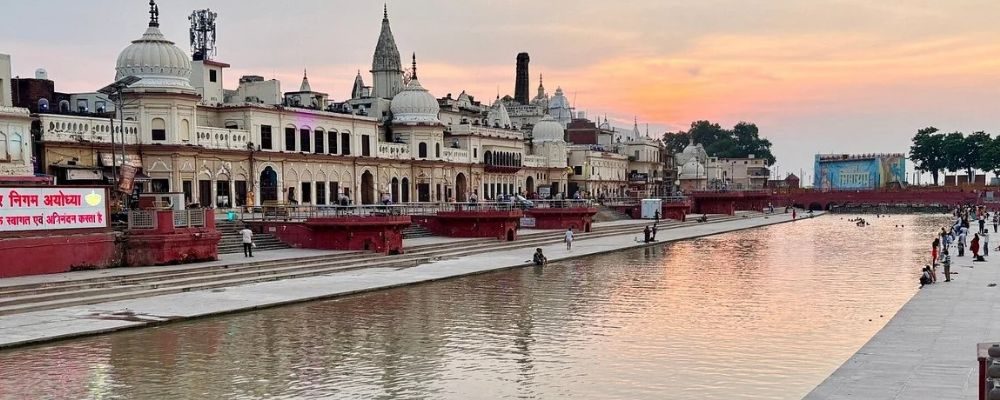
Ram Ki Paidi is a prominent riverfront attraction featuring a series of ghats along the Sarayu River. Associated with sacred bathing, prayers and Hindu devotional practices, it offers visitors a chance to experience Ayodhya beyond its temple complexes.
The broad steps and riverside setting attract pilgrims and tourists throughout the year. Many visitors include Ram Ki Paidi in their sightseeing plans after visiting the main temples. Evenings and religious festivals can bring larger crowds and special arrangements.
Why visit: For riverside views, religious traditions and the spiritual atmosphere of Ayodhya.
Time needed: 45 to 60 min | Best time: evening (Sarayu aarti) | Entry: free | Distance from Ram Mandir: about 2.5 to 3 km
Read More : Ram Ki Paidi
5. Nageshwarnath Temple
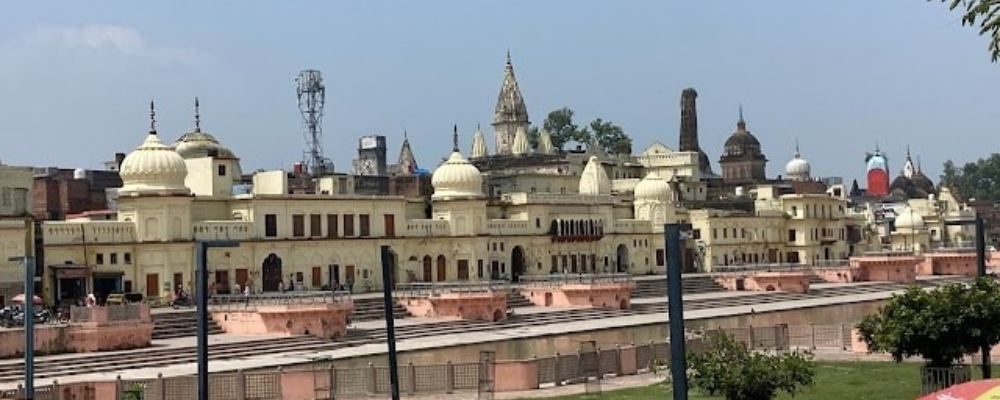
Nageshwarnath Temple is an important Shiva shrine located near Ram Ki Paidi in Ayodhya. It introduces visitors to religious traditions associated with Lord Shiva, complementing the many attractions connected with Lord Rama throughout the city.
According to local religious tradition, the temple is associated with Kush, the son of Lord Rama. Its riverside location makes it convenient to combine this shrine with Ram Ki Paidi when exploring Ayodhya sightseeing places.
Why visit: For Shiva worship and local religious heritage.
Time needed: 20 to 30 min | Best time: morning or evening | Entry: free | Distance from Ram Mandir: about 2.5 to 3 km
Read More : Nageshwarnath Temple
6. Dashrath Mahal
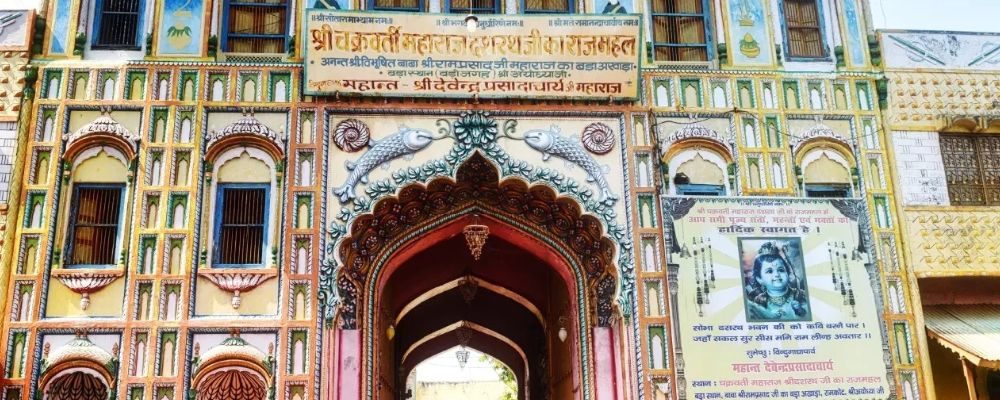
Dashrath Mahal, also known as Dashrath Bhavan, is a religious attraction associated with King Dashrath, the father of Lord Rama in the Ramayana tradition. Its colourful entrance and devotional atmosphere make it a recognised stop in older Ayodhya.
Visitors exploring famous places in Ayodhya can include Dashrath Mahal to learn about traditional stories surrounding Rama’s family and Ayodhya’s identity as their royal city. It also complements visits to nearby temples and other pilgrimage landmarks.
Why visit: For its connection with the Ramayana and Ayodhya’s religious heritage.
Time needed: 20 to 30 min | Best time: morning | Entry: free | Distance from Ram Mandir: about 1 km
Read More : Dashrath Mahal
7. Sita Ki Rasoi
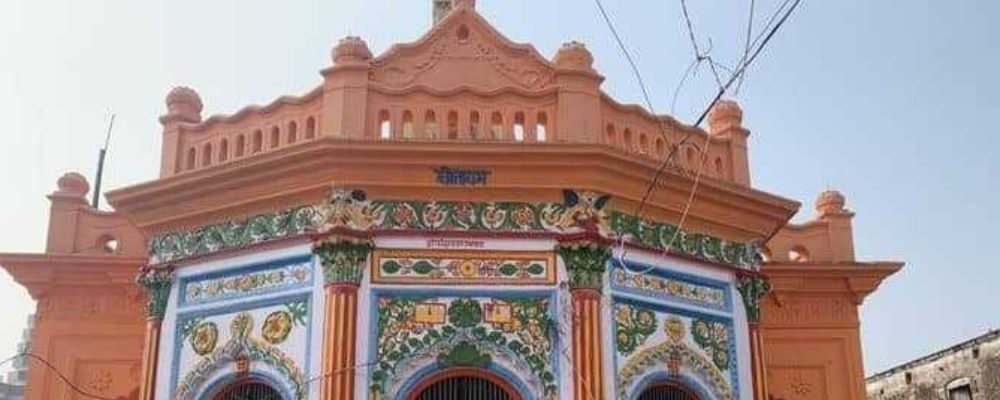
Sita Ki Rasoi is a traditional religious site associated with Goddess Sita. Its name means Sita’s kitchen and reflects devotional stories connected with her life in Ayodhya, including themes of hospitality, household traditions and family life.
Among the smaller places to see in Ayodhya, Sita Ki Rasoi offers pilgrims a different experience from the city’s large temples and riverfront ghats . Visitors can explore its cultural significance while understanding that stories associated with Sita belong to religious belief and local tradition.
Why visit: To learn about Sita and Ayodhya’s devotional heritage.
Time needed: 15 to 20 min | Best time: morning | Entry: free | Distance from Ram Mandir: under 1 km
Read More : Sita Ki Rasoi
8. Guptar Ghat
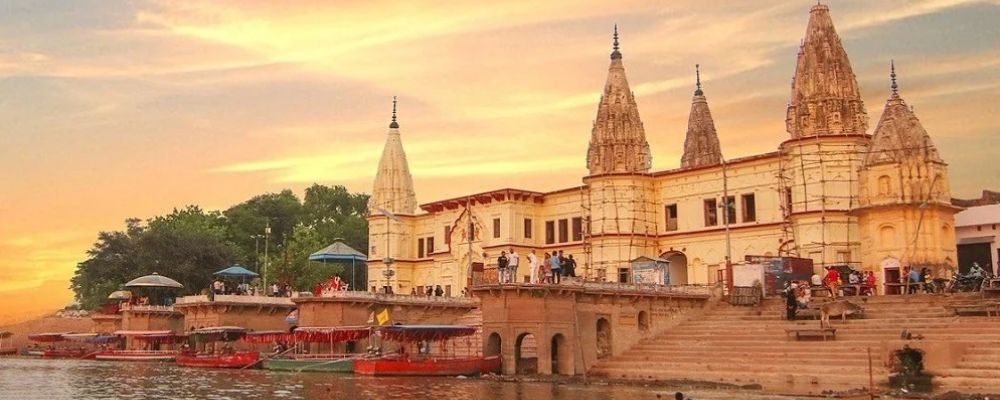
Guptar Ghat is a notable riverside destination on the Sarayu River, associated with religious traditions concerning Lord Rama’s departure from the earthly world. Its setting provides a different experience from Ayodhya’s busy central temple district.
Visitors come here for prayer, reflection and riverside views. Those exploring places to visit in Ayodhya beyond the main temples may appreciate its religious significance and surrounding structures. The location generally requires separate travel planning.
Why visit: For its religious associations and riverside atmosphere.
Time needed: 1 to 1.5 hours including travel | Best time: late afternoon, near sunset | Entry: free | Distance from Ram Mandir: about 9 to 10 km
Read More : Guptar Ghat
9. Treta Ke Thakur
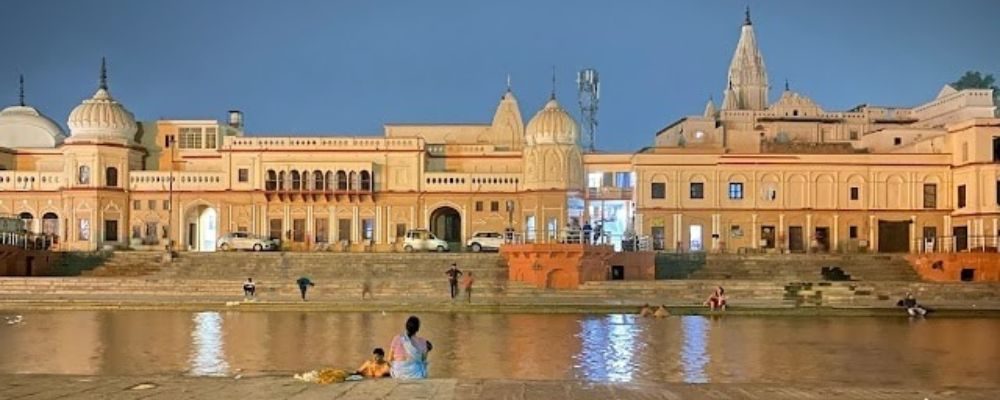
Treta Ke Thakur is a temple associated with Lord Rama and traditional accounts of the Treta Yuga. It forms part of Ayodhya’s wider collection of religious landmarks connected with the Ramayana and the city’s sacred history.
Visitors who have explored Shri Ram Janmabhoomi Mandir, Hanuman Garhi and Kanak Bhawan may consider this shrine as one more of the places to see in Ayodhya for a broader pilgrimage experience. Its religious importance comes from traditions preserved around the site.
Why visit: To explore another temple associated with Lord Rama.
Time needed: 20 to 30 min | Best time: morning | Entry: free | Distance from Ram Mandir: about 2.5 to 3 km
Read More : Treta Ke Thakur
10. Gulab Bari
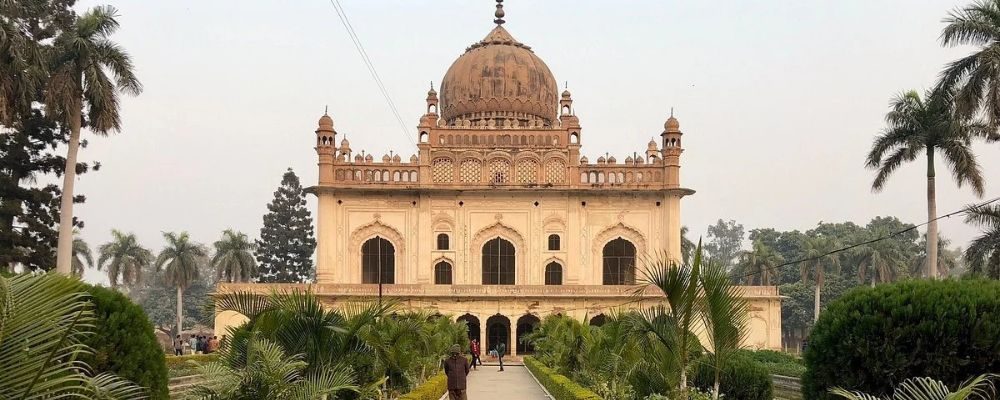
Gulab Bari is a historic garden and tomb complex associated with Nawab Shuja-ud-Daula, a prominent ruler of Awadh. Its name is commonly translated as the Garden of Roses, and its heritage reflects the region’s Nawabi-era architecture and history.
Unlike Ayodhya’s principal pilgrimage sites, Gulab Bari offers a different sightseeing experience through its historic structures and garden setting. It is suitable for travellers interested in architecture, regional history and cultural attractions beyond religious destinations.
Why visit: For historic architecture, gardens and Awadh’s heritage.
Time needed: 45 to 60 min | Best time: morning, or winter afternoon | Entry: free | Distance from Ram Mandir: about 6 to 7 km
Read More : Gulab Bari
11. Mani Parbat
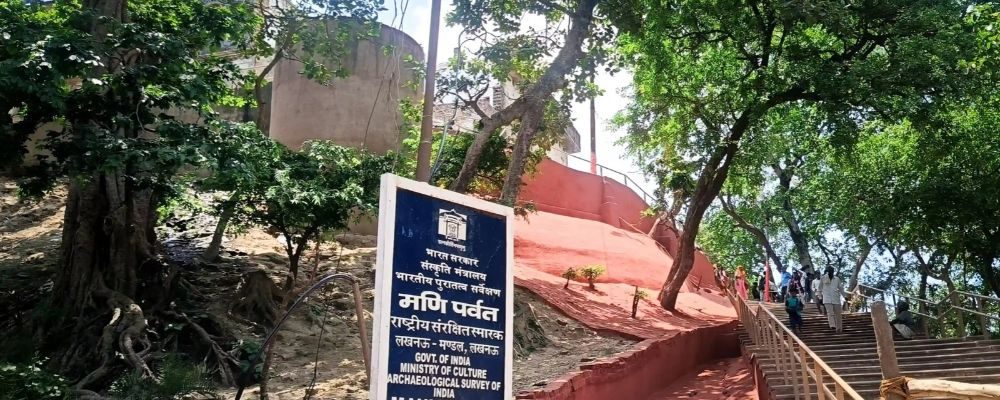
Mani Parbat is a small hill in Ayodhya associated with local religious and mythological traditions. It offers a different type of sightseeing experience for travellers interested in exploring attractions beyond the city’s main temples and busy pilgrimage locations.
Traditional accounts explain the hill’s significance, although interpretations of its origins may vary. Visitors should understand these accounts within their religious and cultural context rather than treat them as established archaeological facts without supporting evidence.
Why visit: For local religious associations and a different sightseeing experience.
Time needed: 20 to 30 min | Best time: morning or evening | Entry: free | Distance from Ram Mandir: about 2 to 3 km
Read More : Mani Parbat
12. Tulsi Smarak Bhawan
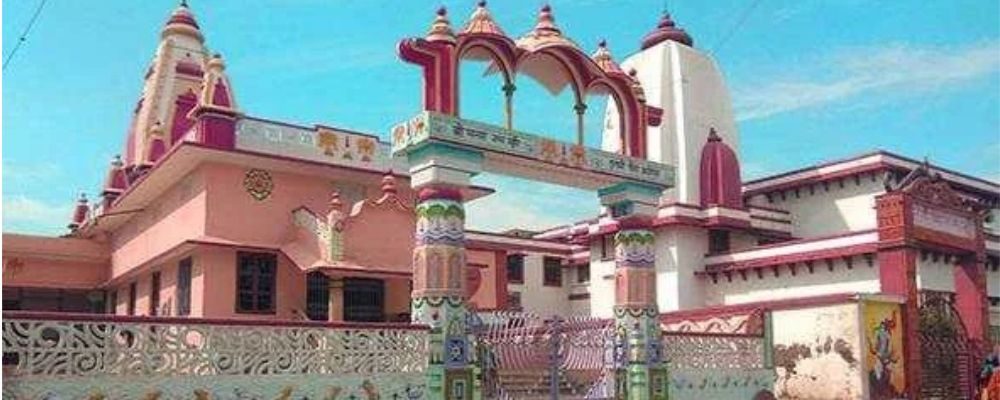
Tulsi Smarak Bhawan is a cultural attraction associated with Goswami Tulsidas, the revered poet traditionally linked with the Ramcharitmanas. Written in Awadhi, this influential retelling of the Ramayana has shaped devotional traditions across North India.
For visitors exploring Ayodhya tourist places, the centre provides a perspective beyond temples and religious rituals. It may interest travellers who want to understand the connections between literature, language, Lord Rama’s story and regional culture.
Why visit: To explore Tulsidas’s literary legacy and the Ramcharitmanas.
Time needed: 30 to 45 min | Best time: afternoon | Entry: free | Distance from Ram Mandir: about 1 to 2 km
Read More : Tulsi Smarak Bhawan
13. Jain Temples of Ayodhya
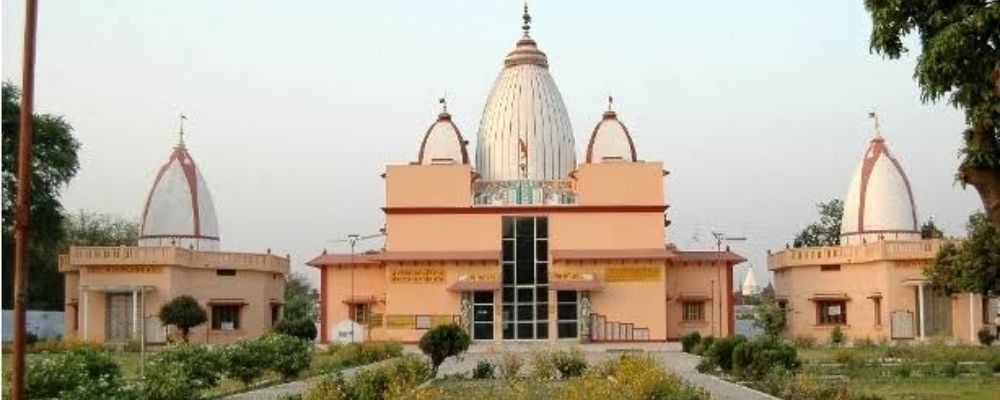
Ayodhya is significant in Jain religious history as well as in Hindu traditions. Its Jain temples and pilgrimage sites are associated with the Tirthankaras, revered spiritual teachers in Jainism, making them meaningful destinations for visitors interested in the city’s diverse religious heritage.
Exploring these shrines offers a broader understanding of Ayodhya beyond attractions associated with Lord Rama. Since individual Jain temples have different locations and visiting arrangements, travellers should identify their preferred shrine before planning their route.
Why visit: To learn about Jain traditions and Ayodhya’s diverse religious heritage.
Time needed: 1 to 2 hours for the main temples | Best time: morning | Entry: free | Distance from Ram Mandir: about 3 to 5 km, depending on the temple
Read More : Jain Temples of Ayodhya
How to Plan an Ayodhya Sightseeing Trip
Planning an Ayodhya sightseeing trip is easier when you organise the main Ayodhya tourist places by visiting time, darshan priorities and available days. Whether you are planning a pilgrimage, family holiday or weekend visit, allow enough time for temple visits, security checks and local travel. Check current opening hours before finalising your itinerary.
Places to Visit in Ayodhya in One Day
If you have one day, focus on the major temples and nearby attractions instead of rushing through every location.
- Early morning: Begin with Shri Ram Janmabhoomi Mandir, allowing sufficient time for entry procedures and darshan. You can also visit Hanuman Garhi early in the morning if your darshan schedule permits.
- Morning: Visit Kanak Bhawan, Dashrath Mahal and Sita Ki Rasoi, depending on opening hours and access arrangements.
- Afternoon: Explore other nearby attractions that fit your schedule. Check visiting hours before adding extra stops.
- Late afternoon: Consider Guptar Ghat if you have enough time for the journey.
- Evening: Visit Ram Ki Paidi. You can also plan Hanuman Garhi or Nageshwarnath Temple for the evening if you have not visited them earlier.
This suggested route may change because of darshan queues, traffic, festivals or temporary access restrictions.
Places to Visit in Ayodhya in Two Days
A two-day itinerary gives you more time to explore Ayodhya tourist places without rushing between attractions.
Day 1: Religious landmarks
Visit Shri Ram Janmabhoomi Mandir early in the morning, followed by nearby attractions such as Kanak Bhawan, Dashrath Mahal and Sita Ki Rasoi during their recommended morning visiting hours. Visit Hanuman Garhi either early in the morning or in the evening. End the day at Ram Ki Paidi, which is best suited to an evening visit.
Day 2: Heritage and cultural attractions
Plan a late-afternoon visit to Guptar Ghat. Explore Gulab Bari in the morning or on a winter afternoon, and visit Tulsi Smarak Bhawan in the afternoon. You can also include Nageshwarnath Temple or Mani Parbat in the morning or evening, while Treta Ke Thakur and the Jain Temples of Ayodhya can be planned for the morning, subject to their opening hours.
For a comfortable trip, confirm temple timings, local transport availability and access rules before departure. Keeping your schedule flexible helps you discover the top places to visit in Ayodhya while making time for darshan and sightseeing.
Best Time to Visit Ayodhya
The cooler months, generally October to March, are often comfortable for sightseeing in Ayodhya. Daytime temperatures during this period are usually more suitable for visiting temples and walking between attractions than the hottest summer months.
However, the best time depends on what you want to experience. Ram Navami, Deepotsav and other religious occasions can offer a special cultural atmosphere, but they may also bring very large crowds, traffic restrictions and changes to local access.
Summer visits require greater attention to heat, hydration and rest. During the monsoon, check weather conditions before planning extended outdoor activities along the riverfront.
For a quieter visit, consider travelling outside major festivals and avoiding peak arrival periods when possible. Check local weather forecasts and official announcements shortly before departure.
Travel Tips for Visiting Ayodhya
Keep these practical points in mind when planning your trip:
- Check darshan rules: Verify current entry procedures and schedules through official temple announcements.
- Travel light: Review prohibited-item instructions before arriving at Shri Ram Janmabhoomi Mandir.
- Allow extra time: Security checks, queues and road restrictions can affect your schedule.
- Dress respectfully: Follow the expectations of the temples and religious sites you visit.
- Plan transport: Local walking routes, e-rickshaws and other transport options may be useful depending on distance and accessibility.
- Consider mobility needs: Stairs, uneven surfaces and crowds may affect senior citizens and visitors with disabilities.
- Respect local customs: Follow instructions at shrines and ghats, and avoid littering.
- Verify current details: Opening hours, aarti schedules, access rules and transport arrangements can change, especially during festivals.
Conclusion
Ayodhya offers a meaningful mix of spiritual landmarks, cultural heritage and historical attractions for travellers visiting Uttar Pradesh. From Shri Ram Janmabhoomi Mandir and Hanuman Garhi to Kanak Bhawan, Ram Ki Paidi and Guptar Ghat, the top places to visit in Ayodhya provide different ways to experience the city's religious traditions and local history. Plan your itinerary according to your available time, check temple timings before travelling, and allow extra time for crowds during festivals. Whether you are planning a family holiday, a pilgrimage or a short weekend trip, exploring these best places to visit in Ayodhya can help you make the most of your visit. Respect local customs and follow official travel and temple guidelines for a comfortable experience.
Frequently asked questions
What are the top places to visit in Ayodhya?
How many days are enough to explore Ayodhya?
What is the best time to visit Ayodhya?
Can I visit Ram Mandir and Hanuman Garhi on the same day?
What places can I visit near Ram Mandir in Ayodhya?
How can I travel between tourist places in Ayodhya?
Are there historical places to visit in Ayodhya beyond temples?
What should I check before planning an Ayodhya trip?
How can I reach tourist places in Ayodhya?
Is Ayodhya suitable for a family trip?
Timings, entry rules, routes and prices change, especially on festival days. Please confirm with the temple, the district administration or the provider before you travel.
Last updated:
Read next

Ayodhya Two-Day Itinerary
Two unhurried days in Ayodhya: the main temples and Saryu aarti on day one; Guptar Ghat, Nandigram, Suraj Kund and Mani Parvat on day two.

Ayodhya with Elders and Children
Visiting Ayodhya with senior citizens, differently-abled family members or small children: wheelchairs, walking distances, rest, timing and what to carry.
Temple Etiquette in Ayodhya for First-Time Visitors
What to wear, where to leave your shoes, what darshan, prasad and aarti mean, when not to take photographs, and how to behave in Ayodhya's temples.

Ram Navami in Ayodhya: Birthday of Shri Ram
Ram Navami, the birth festival of Shri Ram on Chaitra Shukla Navami: its meaning, how Ayodhya celebrates at noon, the Surya Tilak, and crowd planning.
Kartik Parikrama: Walking Around Ayodhya
The Chaudah Kosi and Panch Kosi Parikrama and Kartik Purnima bath in Ayodhya: routes, dates, meaning and how to prepare for the long barefoot walk.

Vivah Panchami: Wedding of Ram and Sita
Vivah Panchami marks the wedding of Shri Ram and Sita on Margashirsha Shukla Panchami. How Ayodhya celebrates with the Ram Barat, and what it means.